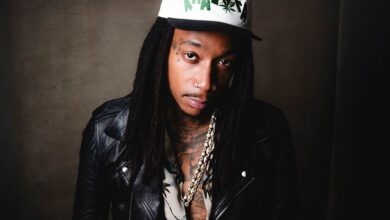
DJ Akademiks Sparks Debate After Calling Jay-Z “Not the Standard” of Hip-Hop Culture
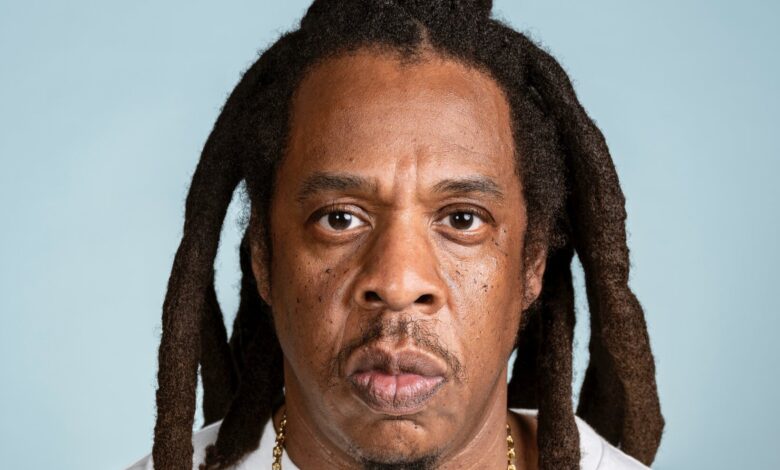
DJ Akademiks has once again placed himself at the center of a hip-hop debate after delivering a long and critical rant about Jay-Z’s legacy and cultural status. His comments focused on how modern audiences and media continue to frame Jay-Z as the defining figure in rap, even as younger listeners and critics question that positioning. Akademiks argued that the narrative around Jay-Z has become overly protective, especially during milestone anniversaries tied to his career. He suggested that these celebrations often turn into what he sees as forced admiration rather than organic cultural recognition. The discussion quickly spread across social media, where fans and critics reacted strongly on both sides. The debate highlights how hip-hop legacy is still actively contested, even for its most established figures.
In his remarks, DJ Akademiks compared Jay-Z’s cultural protection to a geopolitical analogy, claiming that the rapper receives a level of defense from fans that discourages criticism. He used the comparison to argue that any negative discussion around Jay-Z is often met with immediate pushback, regardless of context. Akademiks also suggested that anniversary moments in Jay-Z’s career, including the 30th anniversary of Reasonable Doubt, are often used as opportunities to reinforce his greatness in ways he considers excessive. He claimed that these celebrations create an environment where Jay-Z is automatically placed at the top of rankings and discussions. According to him, this happens even when public sentiment may not fully align with that level of consensus. His comments framed the issue as one of perception versus generational disagreement in hip-hop culture.
A major part of Akademiks’ argument focused on how different age groups perceive Jay-Z’s legacy. He claimed that fans under 30 view Jay-Z more as a historically important rapper rather than a defining cultural standard. In contrast, older audiences who grew up during Jay-Z’s rise tend to view him as one of the greatest of all time without hesitation. Akademiks suggested that this generational divide plays a key role in how debates about hip-hop greatness unfold today. He also argued that Jay-Z has not been universally “immortalized” in the same way as other cultural figures in music and sports. To support his point, he compared the level of cultural benchmarking applied to figures like Michael Jordan with how rap greatness is measured. His view is that Jay-Z is respected but not necessarily used as the ultimate reference point in the genre.
Akademiks further claimed that there is no single fixed standard for judging greatness in hip-hop, which makes these debates more subjective and heated. He referenced artists like Tupac Shakur as examples of figures who, in his view, represent a more emotionally and culturally dominant presence in rap history. According to his perspective, certain artists become symbolic benchmarks that others are measured against, while Jay-Z occupies a different category of influence. He also pointed out that people rarely use Jay-Z as a comparison tool when describing other rappers’ behavior or impact. Instead, he believes Jay-Z is often discussed as a successful businessman and lyricist rather than a cultural template. These distinctions formed the core of his argument that Jay-Z is not the universal standard some fans claim him to be.
Despite his criticism, DJ Akademiks has previously acknowledged Jay-Z’s strengths in business and lyrical ability. His commentary has often mixed skepticism with recognition of the rapper’s achievements, creating a more complicated public stance. However, his latest statements leaned heavily into criticism, prompting widespread debate across hip-hop communities online. Supporters of Jay-Z pushed back against the idea that his legacy is being artificially inflated, pointing to decades of influence, chart success and cultural impact. Others agreed with Akademiks that generational shifts have changed how artists like Jay-Z are perceived. The discussion reflects a broader trend in hip-hop where legacy, influence and relevance are constantly re-evaluated in real time.
Jay-Z’s status as one of hip-hop’s most successful figures remains secure, but conversations like this show that his place in cultural history is still actively debated. As milestone anniversaries continue to highlight his career achievements, they also reopen discussions about how greatness in rap should be defined. DJ Akademiks’ comments have added fuel to that ongoing debate by challenging long held assumptions about consensus rankings in the genre. Whether one agrees or disagrees, the reaction shows that hip-hop legacy remains a living conversation rather than a fixed conclusion. As the culture continues to evolve, these arguments are likely to resurface whenever major anniversaries or rankings bring past achievements back into focus.