Joey Bada$$ Theorizes Why JID Was Left Off J. Cole’s “The Fall-Off”
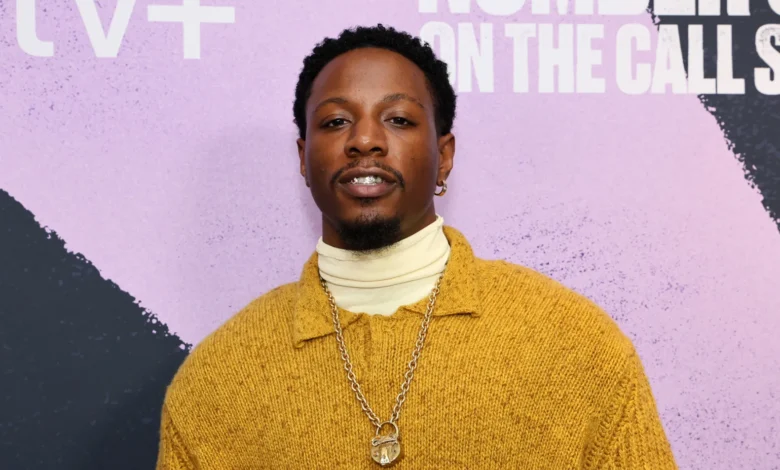
Joey Bada$$ recently sparked conversation on X (formerly Twitter) with a theory about J. Cole’s album, “The Fall-Off,” suggesting that JID may have been excluded because Cole feared being outperformed on his own record. The discussion began Tuesday night during a post in which Joey referenced Jay-Z’s recent GQ interview with Frazier Tharpe, where Jay-Z criticized the current culture surrounding rap battles. Joey argued that if top artists regularly gave rising talents the chance to shine on their tracks, it could drastically shift public perception of who is considered the best in hip-hop. He used this perspective to explain his view on why JID was absent from Cole’s project, noting that JID “would’ve UNDERSTOOD the assignment” and could have delivered a standout performance. The thread highlighted the competitive dynamics of lyrical rap and how top-tier artists may hesitate to share the spotlight.
Joey Bada$$ clarified that his comments were not meant as a diss toward J. Cole personally. He emphasized that his concern is about a “scarcity mindset” in lyrical rap, where established artists rarely invite emerging talents onto their tracks. Joey praised Cole’s album and reiterated his respect for him as an emcee and as a person, making it clear that the theory stems from observations about the subgenre rather than a personal grievance. He noted a pattern where JID is consistently absent from Cole’s projects, suggesting that the trend extends beyond “The Fall-Off” alone. Joey’s commentary sheds light on how competitive instincts and industry dynamics influence collaboration decisions in hip-hop, particularly among artists known for lyrical skill.
The conversation also touched on JID’s own recognition of the genre. Joey referenced a moment where Cole mentioned that if hip-hop were dead, JID would achieve platinum status on a mixtape, yet the artist was not featured on either the mixtape or the album. This contrast, Joey argued, highlights a recurring issue in lyrical rap where talent and skill do not always translate into features or collaborative opportunities. Fans of both artists have engaged in debates about the balance between competition and mentorship in hip-hop, weighing the impact of such decisions on public perception and artist visibility. Joey’s thread offers a candid perspective on how high-profile rappers navigate collaboration while protecting their status in the industry.
Joey Bada$$’s observations underscore the tensions between artistry, competition, and collaboration in contemporary hip-hop. While “The Fall-Off” has been widely praised, the absence of rising talents like JID has led some fans to question the dynamics behind feature choices. Joey’s theory suggests that providing space for emerging artists on high-profile albums could alter the perception of who dominates the genre, potentially reshaping the landscape of lyrical rap. By discussing this trend openly, he highlights the often-unspoken rules governing collaboration, competitive positioning, and recognition in the music industry.
The conversation ultimately encourages reflection on the broader state of lyrical rap and collaboration. Joey Bada$$ framed his perspective not as criticism of J. Cole’s talent or work, but as a commentary on the culture surrounding top-tier artists and emerging voices. His insights point to a larger trend where established artists may limit opportunities to maintain dominance, even when collaboration could benefit the subgenre. Fans are left to consider how these dynamics affect both the careers of emerging talents like JID and the evolution of hip-hop itself. Joey’s observations invite dialogue about balancing respect, competition, and mentorship in a genre defined by skill and lyrical prowess.