Hip-hop fans have plenty of new music to explore this Friday, October 16, as a busy release schedule brings new songs, albums and deluxe projects from artists across the genre. After a relatively quiet week that featured releases from Gunna, Offset and Don Toliver, this week’s lineup offers a wider range of sounds and styles. A$AP Rocky is back with “Shroom Clouds,” Gucci Mane has released his new album Against All Odds and LUCKI is giving fans an archival project titled Last Laugh. There are also deluxe editions from Pi’erre Bourne and Tierra Whack, along with collaborations involving Skepta, Ab-Soul, Raekwon and Freddie Gibbs. From established rap stars to underground artists building their audiences, this New Music Friday has something for listeners looking for fresh hip-hop releases.
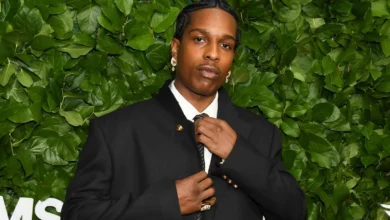
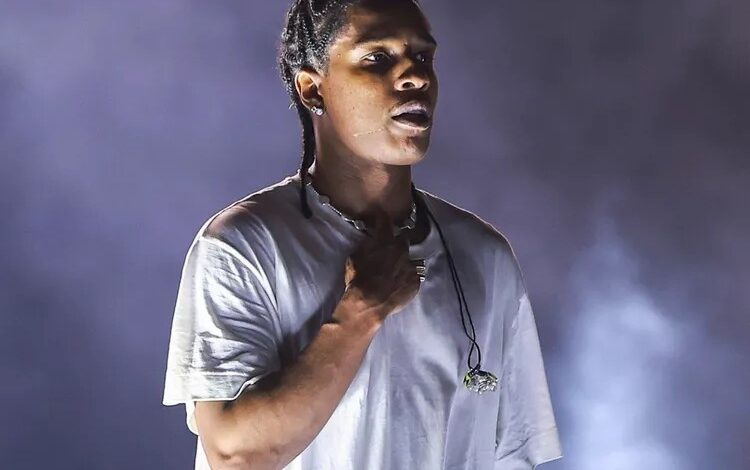
A$AP Rocky is one of the biggest names attracting attention this week with the release of “Shroom Clouds.” The track arrives ahead of the anticipated release of Disc 2, giving fans another reason to follow the rapper’s next musical moves. Rocky has developed a reputation for blending different influences, combining elements of hip-hop with experimental production and distinctive visual presentation. His releases often generate discussion because listeners expect him to explore sounds beyond conventional rap formulas. “Shroom Clouds” adds another entry to his evolving catalog and gives fans new material to discuss while they wait for further developments surrounding Disc 2. The track is one of the week’s notable releases for listeners following major names in contemporary hip-hop.
Gucci Mane is also making a significant contribution to the week’s release schedule with Against All Odds. The Atlanta rapper has maintained a long presence in hip-hop, influencing generations of artists through his music, his support for emerging talent and his role in shaping the city’s trap sound. His extensive catalog includes projects that helped establish his place in Southern rap, making each new album an opportunity for longtime listeners to reconnect with his style. Against All Odds arrives as one of the headline album releases of October 16. Fans will be interested in hearing how Gucci Mane approaches this project and how its songs fit into his broader body of work. The album also strengthens an already varied release day that includes both mainstream names and artists operating outside the commercial spotlight.
LUCKI offers something different with Last Laugh, an archival tape that gives listeners another opportunity to explore material connected to his musical history. The Chicago rapper has built a dedicated audience through his understated delivery, introspective lyrics and atmospheric production. His approach often focuses on personal struggles, complicated relationships and the emotional weight of everyday experiences. Archival releases can appeal to longtime fans because they provide access to material that may differ from an artist’s more recent work. Last Laugh adds another release to LUCKI’s catalog and gives listeners a chance to engage with music from another point in his creative journey. Its arrival also brings a different kind of release to a Friday otherwise filled with new albums, deluxe editions and fresh collaborations.
Pi’erre Bourne is expanding Made In Paris with a deluxe edition, offering fans another reason to revisit the original project. Known for his work as both a rapper and a producer, Bourne has played an important role in shaping the sound of modern melodic trap. His production style often combines bright synthesizers, unusual melodies and rhythmic patterns that leave space for vocals to stand out. The deluxe edition gives the project another moment in the spotlight and may encourage listeners to return to songs they already know. Deluxe releases can also help artists extend the life of an album by adding material or presenting the project in a new form. For fans of Pi’erre Bourne’s production and solo music, Made In Paris (Deluxe) is one of the week’s releases worth checking out.
Tierra Whack is also back with WHACK’S MUSEUM (Deluxe), continuing the Philadelphia artist’s distinctive approach to music. Whack has earned recognition for her creative songwriting, unconventional concepts and willingness to move between different sounds. Her music often challenges the expectations associated with mainstream rap, incorporating playful ideas alongside more personal and reflective themes. A deluxe edition gives listeners another opportunity to explore the project while extending its reach beyond the original release. Whack’s artistic identity makes her music an interesting contrast to the trap-heavy sounds represented elsewhere in this week’s lineup. Her latest release is particularly appealing to listeners who prefer hip-hop that experiments with structure, storytelling and musical presentation.
The week’s collaborative releases add even more variety to the schedule. British rapper Skepta joins fakemink for Chiltern Firehouse, bringing together artists associated with different generations and corners of the UK music scene. Skepta has played a major role in bringing grime and British rap to a wider international audience, while fakemink has attracted attention through a more contemporary and unconventional approach. Their collaboration offers listeners an opportunity to hear how their styles work together. Elsewhere, Statik Selektah brings together Ab-Soul, Raekwon and Freddie Gibbs for “Champagne Wishes,” a pairing that should interest fans of lyric-focused hip-hop. Each artist has a distinct musical identity, making the collaboration an appealing prospect for listeners who value strong verses and recognizable rap styles.
Other releases expand the week’s selection beyond its most prominent names. Sixbill arrives with PURE LUST, while sosocamo releases gravity and OMG Peezy delivers Save Yourself. Bay Swag, Fatt Smaxk and KB join forces on Drain, adding another collaborative track to the lineup. These releases provide alternatives for listeners who want to discover artists outside the most heavily discussed mainstream acts. The range of projects also reflects how hip-hop continues to develop across different scenes, with artists exploring their own production styles, lyrical themes and approaches to releasing music. For fans who enjoy finding new favorites before they reach a wider audience, these less widely known releases are an important part of New Music Friday. Exploring beyond the biggest names can often reveal interesting sounds that might otherwise receive less attention.
Several additional collaborations and singles make the release schedule even more diverse. Victony and Summer Walker have released the “SLICK” remix featuring Don Toliver, bringing together artists whose music spans different parts of contemporary R&B, Afrobeats and melodic hip-hop. The combination offers listeners a crossover release that reaches beyond traditional rap boundaries. Ackrite, YG and Mozzy also join forces on “So Real,” connecting artists with strong ties to West Coast hip-hop. Their collaboration adds a different regional sound to a release day that already features artists from Atlanta, Chicago, Philadelphia and the United Kingdom. These tracks show how today’s hip-hop release calendar often includes music that crosses genres and connects artists from different scenes. The result is a broader listening experience for fans who enjoy moving between rap, R&B and melodic collaborations.
The release schedule also includes music from artists working across pop, alternative music and other genres. Lucky Daye has released ALOUD!, while The Avalanches return with No Bad Memories. Tinie Tempah adds The Night’s Not Dead, and Nao brings listeners Autumn. These projects offer options for people whose playlists extend beyond rap while still fitting into a wider Friday music roundup. The lineup also includes “prada” from Lil Peep, whose music continues to resonate with listeners drawn to the intersection of emo, alternative rock and hip-hop. Fredo Bang has released Laugh Now Cry Later, while Babyfxce E arrives with The X Tape 2. Together, these releases provide a mix of established names, genre-crossing artists and performers with dedicated fan communities.
The underground portion of the lineup is particularly extensive, with several releases catering to listeners who prefer emerging artists and less conventional sounds. Victory Lap and deathtoricky have released Champagne, while Dc2trill arrives with DAYS B4 RDB. Wxoda has released Chill, echstacy brings SWEET SIXTEEN and Fat Papi teams up with prodshushy for AFTER THE PARTY. N4T also joins the schedule with A GOOD AND LONG TIME, adding another title to a week filled with smaller releases. Other projects include 9mice’s Smokey Eyes, rexv2’s Baby Houston, Nate Sib’s December and hollowtiphero’s Freestyle. These artists represent the breadth of independent music culture, where performers often build audiences through online communities, streaming platforms and direct engagement with listeners.
A few releases were already available by the time the main Friday lineup arrived. K Carbon and GloRilla released “5 Star,” while Tiffany Day and glaive made MEANT TO BE available as well. Although these tracks are marked as already out, they remain part of the wider collection of recent music worth exploring. Their inclusion also illustrates how release schedules can extend beyond a single midnight drop, with songs sometimes appearing earlier than other projects scheduled for the same week. For listeners keeping track of new hip-hop songs and albums, checking both newly released music and tracks that arrived ahead of schedule can help ensure they do not miss anything. The mix of release times makes October 16 a useful date for catching up on several different corners of the music scene.
This week’s New Music Friday offers a welcome change after a release schedule that felt relatively limited the previous week. With A$AP Rocky, Gucci Mane, LUCKI, Pi’erre Bourne and Tierra Whack leading the conversation, fans have several major releases to explore alongside a substantial collection of collaborations and underground projects. The lineup also stretches beyond hip-hop through contributions from R&B, alternative and electronic artists, giving listeners plenty of options for building their weekend playlists. Not every release will appeal to every listener, but the variety makes this Friday more interesting for anyone looking for something new. From Gucci Mane’s Against All Odds to A$AP Rocky’s “Shroom Clouds” and LUCKI’s Last Laugh, October 16 delivers a broad selection of fresh music. For hip-hop fans hoping for a stronger week of releases, this Friday provides plenty of new material to discover.