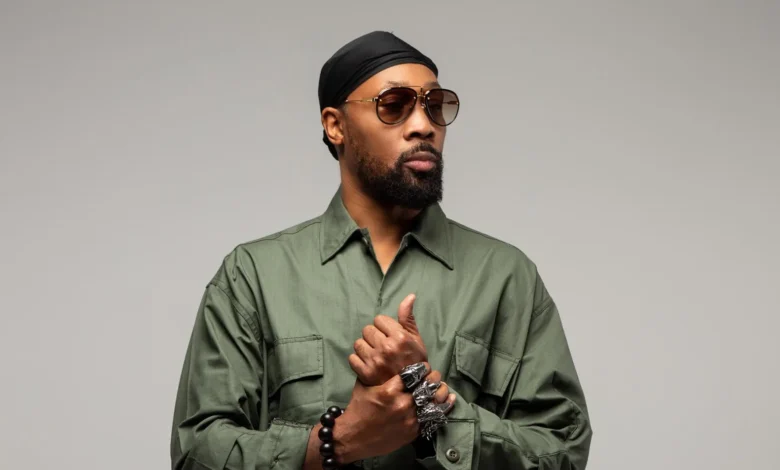
RZA, the mastermind behind Wu-Tang Clan’s legendary sound, has built a remarkable career as a producer, rapper, and filmmaker. Known for his signature gritty beats, deep lyricism, and martial arts-inspired philosophy, he has crafted some of hip-hop’s most influential projects. While his contributions to Wu-Tang Clan are legendary, his solo work stands out as well. Here are RZA’s top three albums of all time, based on their impact, creativity, and legacy.
1. Bobby Digital in Stereo (1998)
RZA’s debut solo album, Bobby Digital in Stereo, introduced his alter ego, Bobby Digital, a futuristic, hedonistic character exploring themes of excess, technology, and street life. The album showcased RZA’s experimental production style, blending electronic sounds with classic Wu-Tang grit. Tracks like “B.O.B.B.Y.” and “Domestic Violence” displayed his creative range, while the storytelling and raw energy made this one of his most unique projects.
2. Digital Bullet (2001)
The sequel to Bobby Digital in Stereo, Digital Bullet continued the saga of RZA’s alter ego but with a more reflective and mature approach. Songs like “Glocko Pop” and “Brooklyn Babies” carried the same futuristic production style, but the album also touched on deeper themes of self-discovery and growth. While still experimental, Digital Bullet showed RZA refining his solo artistry.
3. Birth of a Prince (2003)
Unlike his Bobby Digital albums, Birth of a Prince was a return to a more classic RZA sound. The album balanced conscious lyricism with raw street storytelling, highlighting his evolution as both an artist and a thinker. Tracks like “The Grunge” and “Grits” displayed his introspective side, while songs like “Chi Kung” proved he could still deliver hard-hitting bars. This album bridged the gap between his experimental work and his classic Wu-Tang sound.
RZA’s solo work is a testament to his creativity and willingness to push boundaries. While his Wu-Tang contributions remain his most iconic, these three albums showcase his individuality and influence as a solo artist, cementing his legacy as one of hip-hop’s greatest minds.