Did DJ Khaled Finally Secure the Drake Feature for Aalam of God? New Trailer Sparks Frenzy
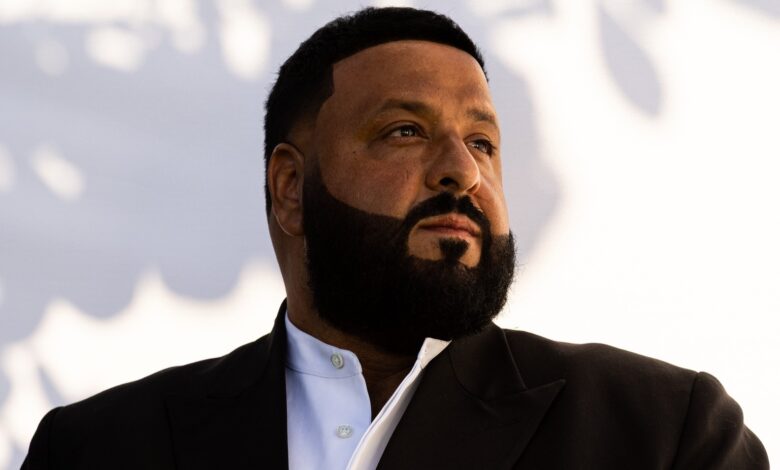
After months of silence and the sudden deletion of all references to Aalam of God, DJ Khaled has returned with a bang. On Thursday afternoon, the hip-hop mogul dropped a new teaser trailer that has the internet buzzing—not just because of its high production value, but because of what it might imply. The central question on everyone’s mind: did Khaled finally lock in those long-rumored Drake features?
The teaser stars Khaled and viral influencer Ashton Hall, known for his disciplined 5 AM morning routine involving workouts, journaling, and ice water face dips. The two are seen sprinting down a road with twin Maybachs trailing behind them. Khaled, shirtless and full of energy at the start, begins to lag as Hall maintains his pace—a visual that could symbolize a number of things, including Khaled’s awareness of passing time or a dramatic hint about the album’s themes. The caption on the post was short and clear: “Album Mode.”
Fans instantly began speculating that this marked the beginning of the album’s full rollout and possibly confirmed that Khaled and Drake are finally back on record together. Their past collaborations like “Popstar” and “Greece” were massive hits, and the absence of Drake on the previously teased tracklist had been noticeable. Earlier this year, a bizarre clip surfaced of men delivering a “RIP Drake” coffin to Khaled’s home, fueling theories of a rift—or perhaps an elaborate promotional stunt. With Khaled, anything is possible.
The previous teaser trailer for Aalam of God revealed a stunning lineup that included Jay-Z, Rihanna, and actors Mark Wahlberg and Anthony Ramos. Its lead single, “Supposed to Be Loved,” featured Lil Baby, Future, and Lil Uzi Vert, adding to the star power but still leaving a Drake-sized gap. Khaled has never been one to do things quietly, and his dramatic promotional style has become as much a part of his brand as the music itself.
Aalam of God will mark Khaled’s 14th studio album, following the success of 2022’s God Did. That album delivered another chapter in his legacy with standout tracks and major collaborations, including a verse from Jay-Z that was hailed as one of the year’s best. Khaled’s albums have always been more than just music—they’re events, and this one is being positioned as possibly his final chapter. The stakes are higher than ever, and if Khaled truly managed to bring Drake into the mix, this album could be a landmark moment in his career.
From his roots as a Miami radio DJ to global superstardom, Khaled has built a legacy on curation, charisma, and calculated spectacle. Aalam of God is shaping up to be the culmination of that journey. There’s still no official release date, but with the new teaser out and “Album Mode” engaged, fans are bracing for a 2025 drop. Whether or not Drake appears, the campaign has begun—and if he is featured, it won’t stay a secret for long.