J. Cole Drops Surprise Birthday Blizzard ’26 EP Ahead of The Fall-Off Album
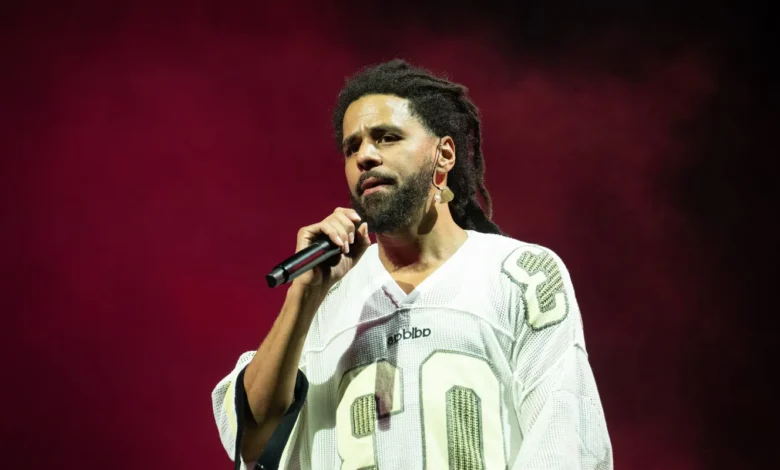
J. Cole has surprised fans with a brand new EP, released without warning. The project confirms long-running rumors that the Fayetteville rapper has more than just an album ready. Titled Birthday Blizzard ’26, the EP arrives as Cole celebrates his 40th birthday on Wednesday, January 28. Hosted by legendary mixtape DJ Clue, the release taps into the raw spirit of classic New York hip-hop while reminding listeners why Cole remains one of the sharpest lyricists of his generation.
Birthday Blizzard ’26 features four high-energy freestyles built on iconic beats from the 1990s and early 2000s. Cole raps over instrumentals like The Notorious B.I.G.’s Who Shot Ya?, Diddy’s Victory and The LOX’s Money, Power & Respect. The sound is gritty and stripped back. It puts the focus squarely on bars. The EP feels intentional. It is designed to showcase skill, confidence and hunger rather than commercial polish.
The opening track, Bronx Zoo Freestyle, finds Cole addressing the backlash he faced after apologizing to Kendrick Lamar in 2024. That apology followed their brief lyrical exchange sparked by Like That and Cole’s own 7 Minute Drill. He reflects on how public perception shifted after the moment. Cole frames the criticism as fuel rather than defeat. He positions doubt as the environment where he performs best. The verses reveal an artist who understands the cost of the spotlight and chooses growth over ego.
Cole continues that introspective tone while keeping his competitive edge sharp. He speaks openly about stepping away from the top and starting again from a place of reduced status. The message is clear. He values the climb more than the crown. This perspective adds depth to the braggadocio. It also aligns with the larger narrative around The Fall-Off, which has been teased as his final studio album.
On Golden Goose Freestyle, Cole turns his attention to the business side of hip-hop. Rapping over Black Rob and The LOX’s Can I Live instrumental, he criticizes artists who lose control of their work and compromise their integrity. He references powerful industry figures and calls out systems that exploit creators. Cole makes it clear that ownership matters to him. He emphasizes that his music remains under his control, reinforcing his long-standing stance on independence.
The track also takes aim at ghostwriting and artificial streaming tactics. Cole questions inflated numbers that do not translate into real-world success. He draws a line between authentic achievement and manufactured popularity. The verses speak directly to ongoing debates in the rap industry about credibility, transparency and the true meaning of success in the streaming era.
On 99 Build Freestyle, Cole shifts the spotlight to Dreamville artist JID. He praises the Atlanta rapper’s talent and momentum following his critically acclaimed and Grammy-nominated album God Does Like Ugly. Cole argues that if hip-hop is truly thriving, artists like JID should see massive recognition. The co-sign reinforces Cole’s role as both a leader and mentor within his label. It also highlights Dreamville’s continued influence on modern rap.
Birthday Blizzard ’26 is available exclusively through J. Cole’s official website, TheFallOff.com. Fans can stream and download the EP for a minimum of $1. The direct-to-fan release model reflects Cole’s commitment to ownership and accessibility. It also strengthens the connection between the artist and his audience without relying on traditional platforms.
The EP serves as a clear warm-up for The Fall-Off, Cole’s highly anticipated final album. The project is scheduled for release on February 6. Birthday Blizzard ’26 sets the tone. It shows focus, honesty and lyrical precision. If this EP is any indication, J. Cole is entering the final chapter of his career with purpose and confidence.