RBX Loses Amended Lawsuit Against Spotify Over Alleged Music Streaming Bots and Artist Royalties
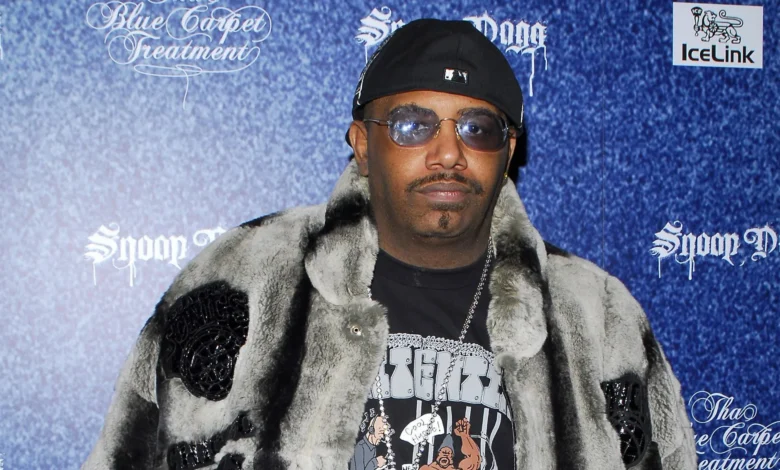
Rapper RBX has suffered another legal setback in his effort to hold Spotify accountable for alleged music streaming manipulation and unfair treatment of smaller artists. His lawsuit accused the streaming platform of allowing a system in which artificial streams could benefit established musicians while reducing the royalties available to other artists. The case also raised concerns about whether Spotify applies its anti-fraud policies equally across the music industry. However, a judge rejected RBX’s amended complaint, finding that he had not identified a specific rule establishing the alleged double standard or demonstrated the legal basis for the responsibility he wanted Spotify to assume. The decision highlights the challenges artists face when attempting to prove that streaming fraud, platform policies and royalty distribution practices have caused legally actionable harm.
Streaming manipulation, often called botting, has become a contentious issue in the modern music industry. The practice generally involves using automated accounts, artificial traffic or other unauthorized methods to increase the number of plays credited to a song. Inflated streaming numbers can make a track appear more popular than it really is, potentially affecting its visibility, performance statistics and perceived commercial success. Streaming platforms use fraud detection systems to identify suspicious activity, although distinguishing artificial plays from legitimate listening can involve complex technical decisions. The issue is particularly important for independent musicians, who often rely on streaming income and platform exposure to build sustainable careers. RBX’s lawsuit brought these concerns into a legal dispute over Spotify’s alleged handling of fraudulent activity and its obligations to artists.
RBX initially filed his lawsuit against Spotify in 2025, seeking to challenge what he viewed as unfair practices involving streaming fraud and its effects on music rights holders. His original complaint was dismissed, but the judge allowed him to submit an amended version in an effort to address the legal shortcomings. In the initial filing, RBX specifically referred to Drake as an artist who allegedly benefited from artificial streaming activity. However, Drake was not named as a defendant in the case, and the allegations should not be treated as established facts. RBX’s focus was on Spotify and the company’s alleged role in managing fraudulent streams on its platform. The amended complaint attempted to strengthen his argument by alleging that Spotify had introduced stricter fraud controls that disproportionately affected smaller artists while failing to apply comparable standards to more established acts.
The amended lawsuit placed particular emphasis on the difference between the way smaller musicians and major artists allegedly experienced Spotify’s policies. RBX argued that the platform’s approach to streaming fraud created an unfair environment in which independent artists faced stricter requirements while prominent musicians could continue benefiting from questionable streaming activity. His concerns reflected a wider debate about transparency in digital music distribution and whether artists receive equal treatment under platform rules. However, demonstrating that a policy has unequal effects is not necessarily enough to establish that a company has violated the law. A successful claim generally requires specific legal grounds, supporting facts and evidence connecting the alleged conduct to the harm suffered. In RBX’s case, the judge concluded that the amended complaint still failed to establish the necessary basis for the claims.
Judge Staton rejected RBX’s argument that Spotify had a special responsibility to protect smaller artists from the effects of third-party bots. The court explained that the fact that streaming activity could affect RBX’s career and professional standing did not automatically make Spotify a legal protector of his interests. This distinction was central to the ruling because RBX’s complaint relied in part on the idea that the platform had a responsibility to prevent fraudulent activity from damaging independent musicians. The judge did not accept that Spotify’s position within the music industry, or its relationships with major labels and other industry participants, automatically created such a duty. In other words, the court found that the alleged impact on RBX’s career did not, by itself, establish a legal obligation requiring Spotify to protect him from the actions of third parties.
The judge also rejected the argument that Spotify’s own anti-fraud initiatives established the responsibility RBX claimed the company had breached. A platform can introduce rules and systems intended to detect suspicious streaming activity without necessarily assuming every legal duty that affected users or rights holders might want it to have. For RBX’s case to proceed, he needed to identify a specific legal or contractual basis for the obligation he alleged Spotify had failed to meet. The court found that his amended complaint did not adequately establish that connection. The decision illustrates the difference between criticizing a company’s policies and proving that those policies create an enforceable legal responsibility. Even when a complaint raises concerns that may resonate with artists, a court still requires sufficiently specific allegations to support the requested legal remedy.
Another problem identified by the court concerned RBX’s use of streaming minimums and listener requirements in support of his argument. His complaint relied on requirements affecting smaller artists as part of the case that Spotify applied different standards across the industry. However, the judge concluded that RBX had not identified a specific rule demonstrating the alleged double standard. Without a clear explanation of which policy treated comparable artists differently, the complaint struggled to establish the discrimination or unequal treatment at the heart of the argument. The existence of different eligibility requirements or anti-fraud measures does not automatically prove that a platform favors major artists. A claim of unequal treatment needs to show how the relevant rules operate and why their application creates a legally significant difference.
The court also found that RBX had not adequately demonstrated harm to Spotify’s consumers or competitors. His allegations focused on the losses he said he experienced as a music rights holder, but the judge concluded that those claims did not sufficiently establish the broader harm required for the legal argument he advanced. This point matters because a plaintiff must generally connect the defendant’s alleged conduct to a recognized form of injury under the law being invoked. Showing that streaming fraud may affect an artist’s career is not necessarily the same as proving that a platform violated a legal duty or caused the type of harm required to sustain a particular claim. The court’s reasoning therefore addressed both the responsibility RBX sought to impose on Spotify and the evidence he offered to support his allegations. The dismissal does not establish that streaming fraud never occurs, but it does mean that his amended complaint failed to satisfy the legal requirements applied in this case.
The dispute also reflects the financial pressures facing musicians who depend on streaming royalties. Streaming services distribute revenue through arrangements involving rights holders, record labels, publishers and other participants, with payments influenced by licensing agreements and each service’s payment model. Artificial streams can complicate this system by creating activity that does not represent genuine audience demand. Depending on the platform’s rules and the circumstances, fraudulent activity may lead to the removal of plays, withholding of royalties or other enforcement measures. However, the precise financial impact can vary, and it would be inaccurate to assume that every artificial stream directly removes a fixed amount of money from a specific artist. RBX’s allegations brought attention to the concern that ineffective or uneven fraud controls could undermine trust in the system, even though the court did not accept his legal claims against Spotify.
For independent artists, the broader debate over streaming bots remains significant because visibility can influence opportunities beyond direct royalty payments. Streaming statistics can shape perceptions of an artist’s popularity, influence promotional decisions and contribute to the way listeners discover new music. Artificially inflated numbers may distort those signals, making it harder for audiences and industry professionals to distinguish genuine demand from manipulated activity. At the same time, streaming platforms must balance fraud prevention with fair treatment of legitimate users and artists whose listening patterns may differ from the norm. Effective enforcement requires clear policies, reliable detection systems and procedures for addressing disputed decisions. The dismissal of RBX’s complaint does not resolve these broader questions about transparency, accountability or the best way to protect the integrity of music streaming.
Spotify’s position in the industry also raises questions about the limits of a platform’s responsibility for conduct carried out by third parties. Streaming services can establish rules, monitor activity and take action against accounts that violate their terms, but the existence of those measures does not automatically make them responsible for every instance of manipulation. Legal responsibility depends on the specific facts, applicable laws and obligations that can be established in court. RBX attempted to connect Spotify’s anti-fraud initiatives to a duty to protect smaller artists, but the judge found that the complaint did not provide a sufficient legal basis for that conclusion. The ruling therefore underscores the importance of distinguishing a platform’s business policies from duties that courts can enforce. It also shows why artists seeking legal remedies must do more than demonstrate that a problem exists within the industry.
RBX’s latest defeat leaves his challenge to Spotify’s alleged handling of streaming bots without the outcome he sought. His case raised questions about artificial streams, artist royalties and whether independent musicians receive fair treatment compared with major acts, but the judge found that the amended complaint did not identify a specific rule establishing the alleged double standard or adequately demonstrate the required legal harm. The ruling should not be interpreted as proof that all of RBX’s concerns about streaming fraud are unfounded, nor does it establish that any particular artist benefited from artificial plays. Instead, it reflects the court’s conclusion that the allegations presented did not meet the legal requirements for the claims he brought. As streaming continues to shape the music business, questions about fraudulent activity and fair royalty distribution will remain important to artists across the industry. For now, RBX’s lawsuit serves as a reminder that challenging a major platform in court requires not only raising legitimate concerns but also supporting them with specific facts and a clear legal basis.