Sony Music Offers $1 Million Toward Lil Durk’s $3.3 Million Bond Proposal as Jay-Z and J. Cole Show Support
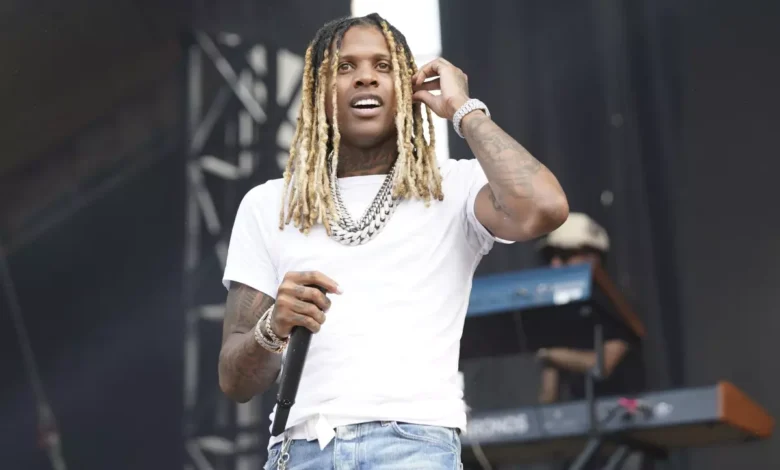
Lil Durk could be released from custody while awaiting trial if a federal judge approves his proposed $3.3 million bond package. The Chicago rapper has received support from several influential figures in the music industry, including Sony Music, Jay-Z, J. Cole and Michael Rubin. Sony is reportedly willing to guarantee $1 million toward the proposed bond, while equity in two of Durk’s Georgia properties accounts for another $2.3 million. His legal team has also offered music royalties, future touring income, merchandise revenue and publishing rights as collateral. Although the proposal represents a significant effort to secure his temporary release, the final decision rests with the court, which must consider the charges, potential risks and conditions necessary to ensure his appearance at trial.
Durk, whose legal name is Durk Devontay Banks, continues to face serious federal charges connected to an alleged murder-for-hire conspiracy. His legal situation has attracted considerable attention because of his prominence in hip-hop and the potential consequences of the case for his career. Reports about his recent legal filings indicate that his defense team is pursuing pretrial release by presenting financial guarantees and evidence of support from people and organizations connected to his professional life. The proposed bond package combines existing assets with future earnings, giving the court several potential sources of financial security. However, offering substantial collateral does not automatically guarantee release, and the judge must determine whether the proposed arrangements adequately address the concerns raised by prosecutors. Until the court rules on the request, Durk’s immediate future remains uncertain.
Sony Music’s reported willingness to provide $1 million is one of the most notable elements of the proposal. The commitment would represent a substantial financial guarantee from a major company in the music industry, although the precise terms and conditions of the arrangement remain important to understanding its legal effect. According to reports about the filing, the proposed package relies on $2.3 million in equity from two homes in Georgia, alongside Sony’s $1 million guarantee. Together, those components would bring the proposed bond to $3.3 million. The arrangement also highlights the potential financial value of an established recording artist’s catalog and future commercial activity. For Durk, whose income depends on music releases, streaming royalties, live performances and merchandise, those earnings could become important parts of the effort to secure his release.
The proposal goes beyond property and a corporate guarantee by offering several forms of future music revenue as collateral. These include royalties from recorded music, touring income, merchandise sales and publishing rights. Such assets can generate substantial income for successful artists, but their value depends on contractual arrangements, ownership rights and future commercial performance. The court would also need to understand how the proposed collateral would be structured and whether it could be enforced if Durk violated the conditions of his release. Future earnings are not the same as cash already available, which makes the legal details of the proposal especially important. While the package demonstrates an effort to provide meaningful financial assurances, it does not establish that the judge will consider those assurances sufficient.
Jay-Z has also emerged as an important supporter of Durk’s request for release. The rap mogul reportedly submitted a letter describing his personal interactions with Durk and emphasizing the younger artist’s conduct, professional discipline and interest in spirituality. Jay-Z also highlighted Durk’s efforts to use his success to support emerging artists from his community. His letter acknowledged the seriousness of the charges and the court’s responsibility to protect the public. At the same time, he argued that releasing Durk would allow him to support his family and continue contributing to his community while waiting for his remaining trial proceedings. The letter adds a personal dimension to the bond request by presenting the court with a perspective on Durk’s character and activities outside the allegations.
J. Cole and Michael Rubin have also reportedly provided letters supporting Durk’s release. Their involvement adds to the number of prominent figures willing to speak on his behalf during a difficult period in his life. Support letters can offer a judge additional context about a defendant’s relationships, responsibilities and history, although they do not determine guilt or innocence. The court must still evaluate the evidence, the nature of the allegations and the potential risks associated with release. High-profile endorsements may draw public attention to a case, but they cannot replace the legal standards that govern federal pretrial detention. Their significance will ultimately depend on how the judge weighs them alongside the financial proposal and other relevant information.
The timing of the bond request is another important part of the story. Durk has reportedly spent nearly two years in custody, while his remaining trial is not scheduled to begin until August 2027. A lengthy wait can create serious personal and professional difficulties for a defendant, particularly someone responsible for supporting family members and maintaining an active business. For a recording artist, extended detention can also affect touring plans, new releases and relationships with collaborators. Jay-Z’s letter specifically raised concerns about Durk’s ability to provide for his family and continue his community work during the period before trial. Even so, the length of time a defendant has spent in custody does not by itself establish that release is appropriate, and the court must apply the relevant legal standards to the circumstances of the case.
Durk’s legal challenges have also fueled public discussion about whether he can eventually return to music while the case proceeds. The proposed use of future earnings reflects the commercial infrastructure surrounding his career and the potential value of his music-related assets. If a judge approves his release, he would still need to comply with any conditions imposed by the court, which could affect travel, professional activities and contact with other individuals. Release before trial would not mean that the charges had been dismissed or that the legal proceedings had ended. It would mean that the court had determined he could remain outside custody under specified conditions while the case continued. The distinction is important because pretrial release and the final outcome of a criminal case are separate legal questions.
The reported support from Sony Music and prominent artists also illustrates how the entertainment industry can become involved when a major performer faces legal difficulties. Music companies have financial interests in recordings, publishing rights and future commercial opportunities, while fellow artists may have personal relationships with the defendant. In Durk’s case, the proposed guarantee and the support letters offer different forms of assistance. Sony’s reported commitment would contribute to the financial structure of the bond proposal, while the letters from Jay-Z, J. Cole and Michael Rubin provide personal or professional perspectives for the court to consider. Neither type of support settles the allegations against Durk, and the court must remain focused on the evidence and applicable law. The attention surrounding the case reflects both Durk’s influence in hip-hop and the significant financial interests connected to his career.
For now, the most important development is the formal effort to secure Durk’s pretrial release through a proposed $3.3 million bond package. Sony Music’s reported $1 million guarantee, the $2.3 million in property equity and the additional music-related collateral show how his legal team is attempting to address the financial requirements of release. Support letters from Jay-Z, J. Cole and Michael Rubin add further context to the request, particularly regarding Durk’s family responsibilities and community involvement. However, no amount of financial backing or public support can guarantee a favorable ruling. The judge must decide whether the proposed arrangements satisfy the legal requirements for release and whether any conditions can adequately address the risks identified by the court. Until that decision is made, Lil Durk’s return home remains a possibility rather than a confirmed outcome.