Mulatto Unleashes “BeatBox Freestyle” Video! On the list of the hottest upcoming rappers you’d be hard-pressed not to find Mullato’s name. Back in August last year, she unleashed her debut LP Queen Of Da Souf, a thirteen-track album that saw additional features from Gucci Mane, 21 Savage, City Girls, 42 Dugg, Saweetie, and Trina. A few months later, she dropped an upgraded version of the album that saw 5 more cuts added as well as a new collaboration with Lil Baby. Within the same time frame, the Atlanta emcee could also be heard on plenty of her peers’ songs including G-Eazy’s “Down,” NLE Choppa’s “Make Em Say,” Chloe x Halle’s “Do It (Remix),” Queen Naija’s “Bitter,” and 2 Chainz’s “Quarantine Thick.” Most recently, she joined Chris Brown and Young Thug onto the remix of Thug’s “Go Crazy.”
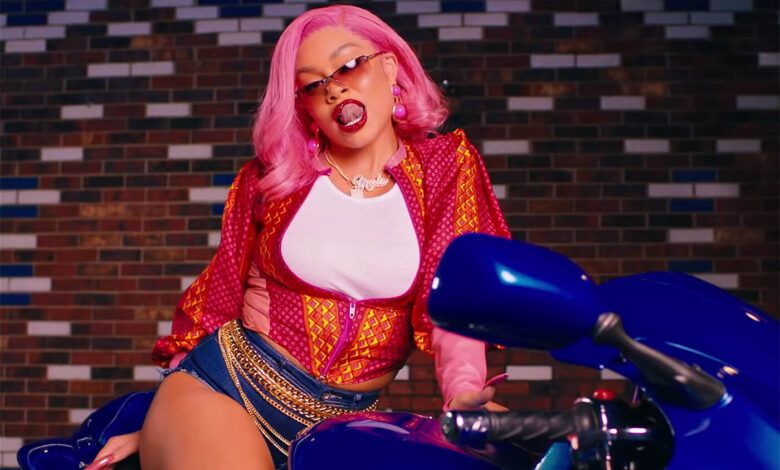
This week, the Atlanta-based star joined other artists in dropping some bars over SpotemGottem’s hit single “BeatBox.” The song has been remixed several times by other artists and has since birthed the #JunebugChallenge that has since taken social media by storm as many people within hip hop and beyond taking part in the dance craze. Mulatto handles the instrumental with much ease, making use of about a minute-and-a-half to tell her listeners why she’s one of the illest in the game, irrespective of gender:
“I told ya I’m that bitch from the South, I knock a nigga side south, I’m outside when it sticks, I ain’t talkin’ top off, I been killin’ features, I’m on everythin’ like hot sauce, I don’t act like I ain’t been that bitch since I popped off, big chains hang around me, loitering, wifey brain, them pointers in, showin’ up, end up the road, I ain’t into turnin’ boys to me, walk through, there’s forty bands/”/
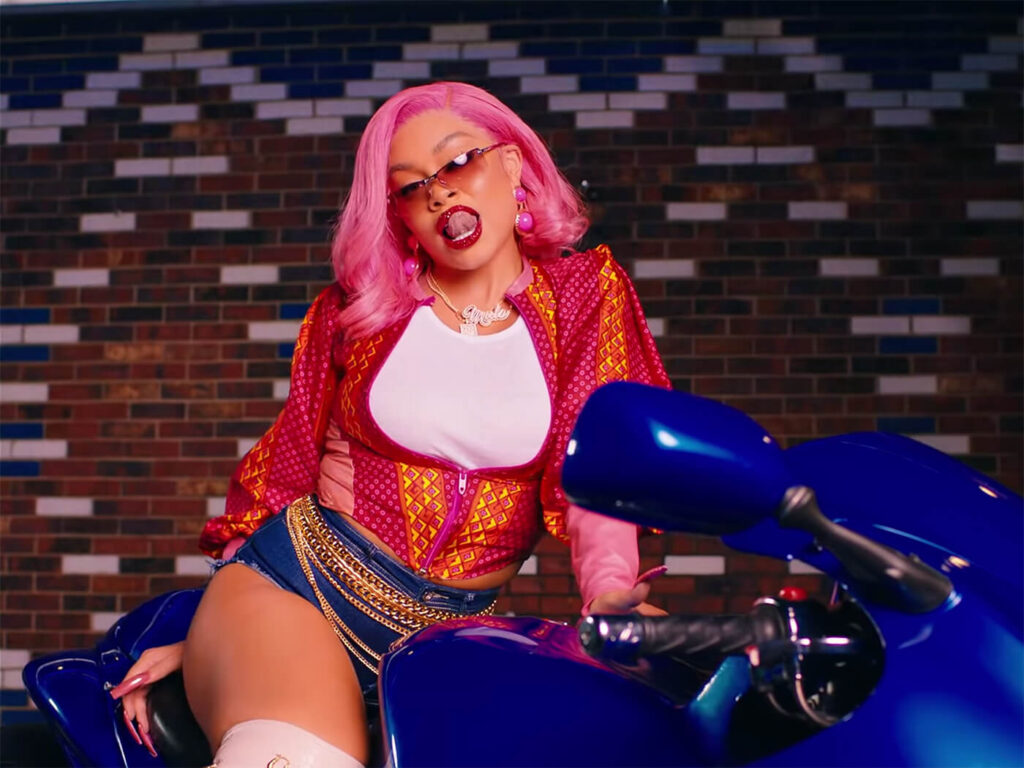
The video sees the rapper taking part in a photoshoot, rocking various outfits and accessories, going through hair and makeup, and more. All said and done, the confidence she exudes in the video is quite evident not to mention how beautiful she looks.