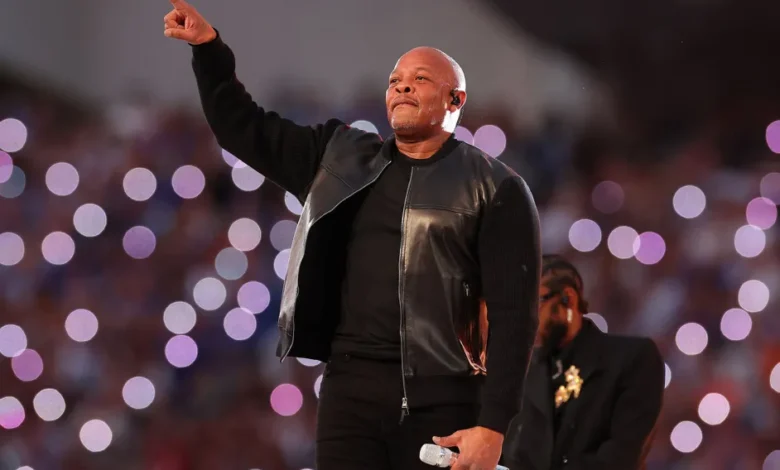
Artificial intelligence is becoming one of the most debated technologies in the music industry, with artists, producers and fans divided over its impact on creativity and ownership. While many musicians have raised concerns about AI-generated songs, cloned voices and the possible loss of opportunities for human creators, Dr. Dre and Jimmy Iovine have taken a different position. During a recent interview with The New York Times, the influential producer and music executive explained why they do not view artificial intelligence as a threat to music. Their comments have attracted significant attention because both men have played major roles in shaping modern music and the business surrounding it. Their willingness to embrace AI highlights a growing divide between artists who see the technology as dangerous and those who believe it can become another creative tool.
Iovine, the co-founder of Interscope Records and a longtime music industry executive, argued that he does not see an inherent downside to artificial intelligence in music. He acknowledged that AI could produce poor or uninteresting music, but suggested that this is already part of the modern music landscape. His view is that talented and creative people will ultimately find ways to use the technology to produce stronger material. Iovine also suggested that some of the negative reaction toward AI comes from the way technology companies communicate with the public rather than from the technology itself. According to this perspective, better communication and more responsible practices from technology companies could help reduce some of the suspicion surrounding AI-generated music.
Dr. Dre offered an even more direct response when asked whether artificial intelligence represents a threat to musicians and producers. The legendary producer said he does not see AI as a threat and suggested that people who are struggling to create may be more likely to view it that way. Dre compared opposition to AI with resistance to earlier developments in music technology, including drum machines and synthesizers. Both tools changed the way musicians and producers created music and initially raised questions about their impact on traditional methods. For Dre, artificial intelligence belongs to the same broader history of technological innovation, giving creators another instrument that can expand the possibilities available in the studio.
Dre also revealed that he is already experimenting with artificial intelligence in his own creative process. He explained that he uses AI as a tool to see what it can do with material he has already created, rather than treating the technology as a complete replacement for his own work. This distinction is important because the debate surrounding AI often focuses on whether machines will replace human musicians. Dre’s approach suggests that he views AI more as an experimental resource that can help producers explore ideas, sounds and possibilities. His comments also indicate that he believes established artists should remain open to learning new technologies instead of automatically rejecting them.
The discussion comes at a time when AI-generated music has already created major controversy across the industry. Artists have faced criticism for using artificial intelligence in songs and projects, while listeners have questioned whether AI-assisted releases should be judged in the same way as traditionally produced music. Some fans object to AI because they believe music should reflect the personal experiences, voices and creative decisions of human artists. Others are more accepting when AI functions as a production aid rather than replacing the artist entirely. The disagreement has created a complicated debate about authenticity, copyright, artistic identity and the future of creative work.
Another notable point raised in the discussion is the idea that some musicians and producers may already be using AI without openly discussing it. Iovine described the existence of people who privately experiment with AI while avoiding public acknowledgement of their use of the technology. If that trend continues, artificial intelligence could become increasingly common in recording studios, songwriting sessions and production workflows without always being obvious to listeners. This could make transparency an important issue as the music industry develops standards around disclosure and responsible AI use. Fans may increasingly want to know whether a song features an AI-generated voice, AI-assisted production or other forms of machine-generated material before deciding how they feel about it.
The reactions to Dre and Iovine’s comments also demonstrate how complicated the conversation has become. Dr. Dre has spent decades establishing himself as one of hip-hop’s most influential producers, so his endorsement of emerging technology carries considerable weight among musicians and fans. At the same time, his reputation does not prevent listeners from questioning or criticising his position when they believe technology could undermine human creativity. Some fans may see his comments as an experienced producer recognising the value of innovation, while others may worry that AI could eventually reduce opportunities for emerging artists and producers. The disagreement reflects a larger question facing the entire music industry, which is how to encourage technological progress without weakening the rights, livelihoods and creative identity of human artists.
Dr. Dre and Jimmy Iovine’s position makes it clear that the debate over artificial intelligence in music is far from settled. They see AI as another technological development that creative people can learn to use, rather than as an automatic replacement for musicians, producers and artists. Their comparison with drum machines and synthesizers reinforces the argument that music has repeatedly changed as new technology has entered the creative process. However, concerns about copyright, consent, transparency and the economic impact on human creators remain important parts of the discussion. As artificial intelligence becomes more advanced and more widely used, the music industry will have to determine how to balance innovation with the creative rights and expectations of the people who make music.