Kanye West Slams adidas, Jerry Lorenzo, and Fake Friends in Lengthy Instagram Post
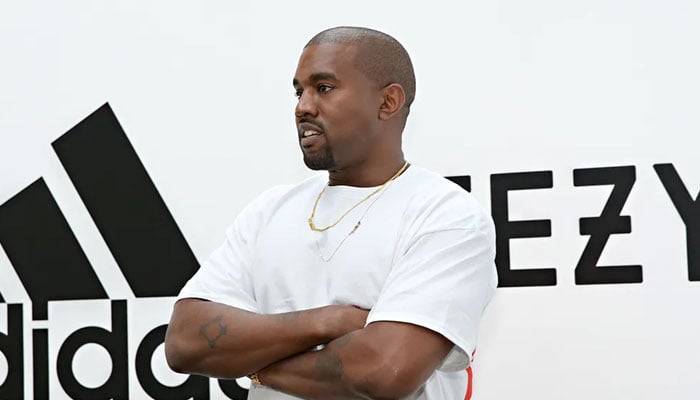
Kanye West has once again voiced his frustrations with his former business partners, calling out adidas, designer Jerry Lorenzo, and individuals he accuses of pretending to be his friends. In an explosive Instagram post on January 7, 2025, the rapper and fashion mogul made it clear that he’s no longer tolerating what he perceives as disrespect and betrayal.
West began by addressing his split with adidas, which became public after his controversial antisemitic remarks in 2022. Despite the fallout, Kanye claims he still had significant contributions to the brand, saying, “I did phenomenal work for you guys and because I stood up for myself y’all tried to intimidate and oppress me. Everyone remembers I had major issues with adidas because of design theft and oppression before ‘the tweet,’” referencing his infamous remarks about Jewish people.
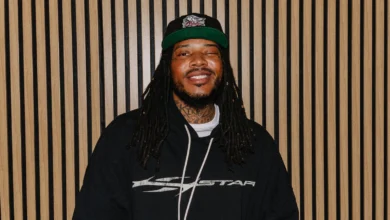
The rapper also targeted Jerry Lorenzo, with whom he had collaborated before 2016, accusing him of disloyalty for continuing his relationship with adidas. “Y’all know Jerry was corny and disloyal for doing work with adidas after the way they handled things,” Kanye wrote. He also noted how he had shown up to Lorenzo’s show, which Kanye believed was a copy of his own Hollywood Bowl show, in an attempt to be the “bigger man” but emphasized that he would not repeat such gestures in the future.
West’s post also took aim at individuals he feels exploited their relationship with him for personal gain. He accused these people of using his image to promote their own products and clothing lines while not truly supporting his vision. “They never wanted to truly work for the king,” Kanye claimed. “They wanted to use the king, get paid more than they would anywhere else, be yes men, and be happy for any time I didn’t accomplish what ‘we’ were working towards.”
Kanye continued to assert that Yeezy was now his sole priority, stating, “Yeezy over everything.” He declared that he would no longer be a platform for anyone else to succeed, emphasizing that he was determined to dominate the industry. The artist also criticized the luxury fashion industry for its high markups, referencing his decision to abandon high-priced brands like Prada.
In a boastful tone, Kanye proudly reflected on the success of his Yeezy brand after parting ways with adidas. “The Yeezy.com site made 100 million dollars last year and that was with it only being up for 6 months,” he revealed. “We sold over a million pairs of pods, and I’ve been working on ten other styles for the past two years. It’s Yeezy for the people.”
Despite his ongoing disputes, Kanye ended his post on a note of optimism, thanking his supporters and encouraging people to comment on any grammatical errors. “If there are grammatical errors as always rewrite in the comments and I will update. Thank you,” he wrote.
As of now, neither adidas nor Jerry Lorenzo has responded to Kanye’s latest post. However, Kanye’s words come shortly after he and adidas agreed to settle their legal dispute out of court, with the company’s CEO Bjørn Gulden confirming in October that the agreement involved no payments, with both parties agreeing to move forward.
Kanye’s public attack further reinforces his ongoing battle for control over his brand, Yeezy, and his determination to succeed on his own terms, without relying on past business partners. Whether his recent comments will spark further legal or personal conflicts remains to be seen, but for now, Kanye appears more committed than ever to his vision of Yeezy as an independent powerhouse.