
Pusha T Criticizes Lack of Originality in Modern Hip-Hop, Says Too Many Rappers Are Copying What’s Popular
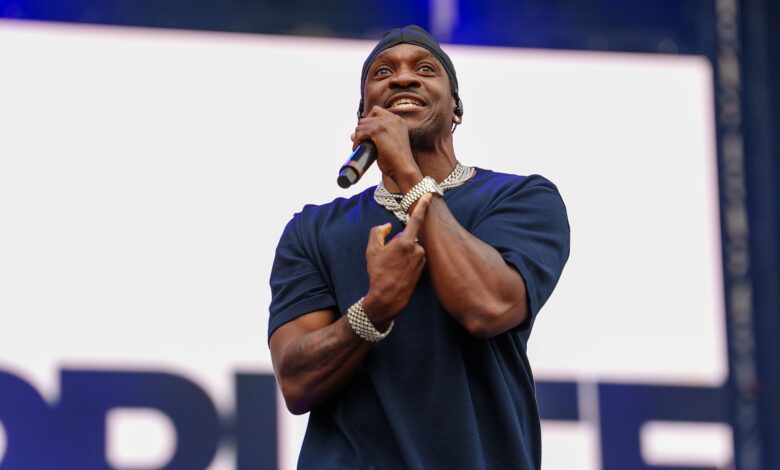
Pusha T has never been an artist who follows trends simply to stay relevant, and he believes that approach is becoming increasingly rare in modern hip-hop. The Clipse rapper recently shared his concerns about the direction of the music industry, arguing that too many artists are more interested in recreating successful sounds than developing their own identities. According to Pusha T, individuality was once one of the most important qualities an aspiring rapper could possess. Artists wanted to sound different, establish their own styles and create music that audiences could immediately recognize. However, he believes the current generation has become more comfortable following existing formulas rather than taking creative risks. His comments have reignited a broader conversation about originality, artistic identity and the influence of commercial trends on contemporary rap music.
During a conversation with The Wall Street Journal, Pusha T reflected on how much the hip-hop industry has changed throughout his career. He explained that artists once viewed originality as an essential part of establishing themselves in a competitive music business. Rather than trying to sound like whoever was dominating the charts, rappers wanted to create something that separated them from everyone else. Pusha described an environment where musicians were determined to develop their own identities and become recognized for their individual approaches. “It started off with a lot more individuality. Everybody wanted to be different. They wanted to be great, and they wanted to set themselves apart. You can’t look like me, you can’t do what I do,” he explained. His remarks suggest that being distinctive was once considered an important measure of an artist’s success.
The rapper believes that today’s music industry operates differently. Instead of prioritizing individuality, he sees more artists creating different versions of sounds that have already proven successful. Pusha did not necessarily argue that contemporary rappers lack talent or musical ability. His criticism focused on the willingness of artists to accept being similar to their competitors rather than developing something original. “Now people try to do different versions of what’s hot. Everyone can just be good and be the same,” he continued. He also questioned whether musicians are as concerned about sounding like other artists as they were in previous generations. “I feel like people don’t mind being like other people these days,” Pusha added.
These comments touch on one of hip-hop’s longstanding debates about the relationship between commercial success and artistic creativity. Music trends have always influenced the industry, with successful records often inspiring other musicians to explore similar sounds. However, there is a difference between taking inspiration from another artist and building an entire musical identity around an existing formula. Pusha T appears concerned that the distinction between those approaches has become less important. When several artists pursue the same production styles, vocal deliveries and lyrical themes, it can become harder for individual musicians to establish recognizable identities. This does not mean that every artist must completely reinvent hip-hop, but it does raise questions about how much originality should matter in an increasingly competitive industry.
Pusha T’s perspective carries particular weight because his own career has been built around consistency and a clearly defined artistic identity. As one half of Clipse alongside his brother Malice, he developed a distinctive approach to rap that helped separate the duo from many of their contemporaries. Their music became known for its detailed street narratives, sharp wordplay and confident delivery. Rather than constantly changing their sound to match popular trends, the brothers maintained a recognizable musical identity throughout their careers. Their longtime creative relationship with Pharrell Williams also played an important role in shaping their sound. The combination of unconventional production and Pusha’s precise lyricism helped establish Clipse as one of hip-hop’s distinctive groups.
The duo’s early work demonstrated how originality could become a major part of an artist’s identity. Clipse did not need to imitate the most popular rappers of the moment to establish a loyal audience. Their music offered a recognizable perspective, supported by production choices that often stood apart from conventional rap sounds. Pusha’s delivery and lyrical approach became important parts of the group’s appeal. His ability to maintain that identity after transitioning into a successful solo career further demonstrated his commitment to artistic consistency. For him, originality is not simply about sounding different for the sake of it. It is about developing a style that reflects an artist’s personality, experiences and creative vision.
The influence of Pharrell Williams on Pusha T’s career is another important part of this discussion. Their longstanding working relationship allowed Pusha and Clipse to explore production that did not always follow the dominant sounds of mainstream hip-hop. Pharrell’s distinctive approach to beats created opportunities for the rappers to deliver their lyrics in ways that felt different from much of the competition. That willingness to experiment helped shape the group’s musical identity. It also demonstrated that commercial rap could embrace unconventional production without sacrificing its appeal. Pusha’s comments about modern originality therefore come from an artist who has experienced the benefits of developing a sound that listeners can identify.
The rise of streaming and social media has also changed how music trends develop. Successful songs can reach millions of listeners quickly, allowing particular sounds, dance challenges and production styles to spread across the industry. Artists can observe what performs well and attempt to recreate similar results with their own releases. This can create opportunities for emerging musicians who might otherwise struggle to attract attention. However, it can also encourage a cycle in which artists prioritize familiar sounds because they believe audiences are more likely to respond to them. When commercial performance becomes the main measure of success, experimentation may seem like an unnecessary risk. Pusha’s criticism reflects concern that this environment could discourage musicians from developing identities that challenge established expectations.
At the same time, following musical trends is not necessarily a new development in hip-hop. Every generation has experienced periods when particular production styles, flows and lyrical approaches became especially popular. Southern rap, trap music, drill and other influential movements have all inspired artists to explore similar sounds. These movements have also produced musicians who transformed their influences into something distinctive. The difference, as Pusha sees it, is the apparent willingness of some contemporary artists to remain close to existing formulas rather than move beyond them. Inspiration can help a genre evolve, but imitation without a personal creative contribution can make its musical landscape feel repetitive. His comments encourage listeners to consider whether modern rap is giving enough attention to artists who take different creative approaches.
Pusha T has also challenged the idea that older rappers should automatically make room for younger performers. In a previous conversation with Billboard, he argued that hip-hop should not have an age ceiling. His position is that artists should be able to continue competing and creating music regardless of how long they have been in the industry. This perspective connects with his criticism of modern originality because it places artistic development above the pressure to follow whatever is currently popular. An experienced rapper should not have to abandon an established identity simply because younger musicians are dominating the conversation. Similarly, emerging artists should not feel obligated to copy successful veterans to establish themselves. Hip-hop benefits when different generations contribute their own perspectives and creative approaches.
The relationship between Pusha T and Malice also reflects the value of maintaining an artistic identity over time. The brothers have spent more than two decades developing a recognizable approach to hip-hop, and their work has remained closely connected to the musical principles that established Clipse. Their partnership with Pharrell has provided a creative foundation that allows them to explore new material without completely abandoning their identity. This consistency is particularly relevant in an industry where artists can face pressure to change their sound with every new trend. Instead of treating reinvention as an obligation, Pusha and Malice have shown that musicians can continue building on an established creative vision. Their approach offers another perspective on how artists can remain relevant without constantly imitating what is popular.
Ultimately, Pusha T’s criticism is not simply about nostalgia for an earlier period in hip-hop. It is a broader argument about what makes an artist memorable and why originality should remain important. Commercial success can introduce musicians to larger audiences, but a distinctive identity can help them establish a lasting connection with listeners. Following trends may offer short-term opportunities, yet artists who develop their own sounds have the chance to contribute something meaningful to the genre’s evolution. Pusha’s career with Clipse and his solo work demonstrate the value of maintaining a recognizable musical personality. His message to today’s rappers is clear: being good at making popular music is not necessarily the same as being original. As hip-hop continues to evolve, the challenge will be finding room for commercial success without sacrificing the individuality that helped make the genre so influential.