Tyga Sued for $135,000 After Allegedly Missing Two Beijing Club Appearances
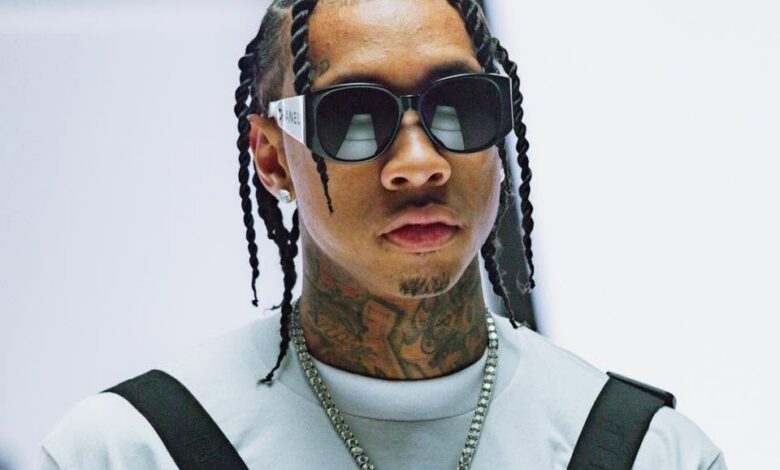
Tyga is facing a new six-figure legal dispute after a Chinese management company accused the rapper of accepting payment for two scheduled appearances in Beijing that allegedly never happened. Beijing Tongxing Wanxin Catering Management claims it paid $145,000 for the performances but has recovered only $10,000, leaving an alleged unpaid balance of $135,000. The company has now filed a lawsuit accusing the rapper of fraud and breach of contract. The dispute centers on two events that were scheduled to take place at Club Pac Star in 2023, followed by unsuccessful attempts to arrange replacement dates and recover the remaining money. Although the allegations have not been proven in court, the case adds another legal challenge to Tyga’s history of disputes involving concert agreements and performance payments.
According to the complaint, the first Beijing appearance was scheduled for August 4, 2023, while the second was planned for October 27 of the same year. The management company alleges that it paid Tyga for both performances but that he failed to appear on either occasion. The missed dates reportedly left the company seeking an explanation and a way to recover the money it had invested in the bookings. The agreement allegedly covered a total of $145,000, making the claimed losses substantial for the business involved. The lawsuit now seeks to recover the outstanding balance and obtain additional compensation through the legal process.
The company claims that it initially tried to resolve the matter without pursuing a lawsuit. After the two scheduled appearances failed to take place, it was reportedly assured that Tyga would perform on replacement dates during the first or second quarter of 2024. Those arrangements allegedly never materialized, leaving the company without the performances it had paid for. The continued delay reportedly prompted further efforts to recover the money through a settlement. According to the allegations, the company ultimately received a $10,000 refund, but the payment did not resolve the dispute over the remaining $135,000.
The financial breakdown is central to the new Tyga lawsuit because the company says most of the original payment remains outstanding. From the alleged $145,000 agreement, the reported $10,000 recovery leaves a balance of $135,000. The complaint seeks that amount along with interest and punitive damages, which could increase the total financial exposure if the court grants the requested relief. However, the final amount, if any, will depend on the outcome of the legal proceedings and the evidence presented by both sides. The allegations alone do not establish that Tyga committed fraud or breached the agreement, and the rapper has the opportunity to respond to the claims.
The fraud allegation is particularly significant because it goes beyond a simple disagreement over scheduling or contractual obligations. In general, a breach of contract claim concerns an alleged failure to fulfill obligations agreed upon by the parties, while fraud claims involve additional legal requirements that depend on the circumstances and applicable law. The management company will need to establish the necessary elements of its claims through the legal process. The available details do not establish why the performances allegedly did not happen or whether any contractual conditions affected the arrangements. Without a response from Tyga or a judicial finding, the precise circumstances behind the dispute remain unclear.
The case also highlights the financial risks associated with booking international artists for live events. Promoters and management companies may commit substantial sums before a performance takes place, relying on contractual promises that an artist will appear at a particular venue on an agreed date. When a show does not happen, the consequences can extend beyond the original payment to include venue expenses, marketing costs, staffing and other event-related commitments. Rescheduling can sometimes help resolve a dispute, but replacement dates depend on the availability and cooperation of the parties involved. When those arrangements fail, a promoter may turn to the courts to pursue repayment or other contractual remedies.
For Tyga, the lawsuit arrives with a familiar element because he has faced another legal dispute involving an alleged failure to honor international concert commitments. In June 2018, concert promoter Heavy Rotation sued the rapper over an agreement involving performances at several venues in the United Arab Emirates. The promoter alleged that it had paid him $141,000 before he abandoned the arrangement after receiving a more lucrative offer from a competing nightclub in Dubai. The dispute eventually developed into a lawsuit seeking $1.4 million in damages. Tyga challenged the allegations, arguing that he had not agreed to restrictions preventing him from performing at other venues and claiming that the promoter had failed to secure necessary approvals for one of the scheduled shows.
The earlier dispute ended in a settlement between Tyga and Heavy Rotation in 2019. The parties agreed to dismiss the lawsuit, but the financial terms of the settlement were not publicly disclosed in the available reporting. As a result, the amount Tyga may have paid to resolve that case remains unknown. The settlement also does not establish that every allegation made by either party was true. While the earlier dispute provides context for the current Beijing lawsuit, the two cases involve separate agreements and must be evaluated on their own facts.
The latest allegations could attract further attention because Tyga has maintained a recognizable presence in hip-hop through his music, performances and collaborations. His catalog includes popular tracks such as “Rack City,” which helped establish his commercial profile and remains closely associated with his career. Live appearances can provide artists with important income while allowing them to connect with international audiences. However, international bookings also require clear agreements about payment schedules, performance dates, cancellation terms and responsibility for expenses when plans change. Disputes like the one involving the Beijing appearances demonstrate how disagreements over those obligations can lead to costly legal proceedings.
At this stage, the available reporting does not include a response from Tyga or his representatives addressing the new allegations. That means important questions remain unanswered, including the circumstances surrounding the two missed appearances and the details of the reported settlement that returned $10,000 to the company. The court proceedings may provide more information about the contract, the payment arrangement and the reasons the proposed replacement performances did not take place. Until then, the claims should be understood as allegations made by the management company rather than established findings of wrongdoing. Any final judgment will depend on the evidence, the applicable law and the court’s assessment of the parties’ arguments.
The $135,000 lawsuit places Tyga at the center of another dispute involving international performance commitments and alleged unpaid obligations. Beijing Tongxing Wanxin Catering Management claims that it paid $145,000 for two appearances at Club Pac Star in 2023, received only a $10,000 refund and remains owed the balance, along with interest and punitive damages. The company says its efforts to secure replacement performances and resolve the matter privately did not succeed, prompting it to pursue legal action. Tyga previously challenged allegations in a separate concert-related lawsuit that ended in a settlement with undisclosed financial terms. The outcome of the Beijing case remains uncertain, but the proceedings will determine whether the company can establish its claims and recover the money it says it is owed.