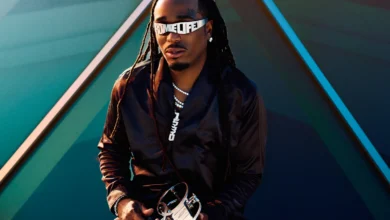
Rick Ross Reveals The Vision Behind God Forgives I Don’t

Rick Ross was preparing for one of the most ambitious albums of his career with God Forgives, I Don’t, a project designed to sound bigger and more cinematic than a conventional rap album. The Miami rapper approached the record with a clear creative vision, drawing inspiration from the world of film and the work of legendary director Martin Scorsese. Rather than simply putting together a collection of songs, Ross wanted the album to feel like a complete story with a dark and bold atmosphere. His comments about the project showed how seriously he was taking the creative direction behind the music.
The title God Forgives, I Don’t immediately established the tone Ross wanted to create. He viewed the phrase as a strong statement that could support an entire musical narrative, much like a film title can establish the mood of a movie before the opening scene. Ross wanted the production and performances to work together so that listeners could experience the album as something larger than individual tracks. The idea was to create a project that felt like a motion picture when played from beginning to end. That approach reflected his growing interest in combining music with storytelling and visual presentation.
Ross also revealed that the album would feature major names from across hip-hop. Jay-Z was among the artists connected to the project, giving the album another high-profile collaboration that generated significant anticipation. Ross also spoke about working with Dr. Dre, describing the collaboration as something he once believed might never happen. For an artist who had built his career around large-scale collaborations and luxury-focused rap, working with figures of that stature represented an important moment in his career.
The involvement of Jay-Z and Dr. Dre also reflected Ross’s position within hip-hop at the time. He had established himself as one of the genre’s most recognisable voices while continuing to expand his ambitions beyond simply releasing music. His collaborations with influential artists helped reinforce his status while giving him opportunities to experiment with different sounds and creative approaches. Ross appeared particularly excited about what those collaborations could contribute to the final version of God Forgives, I Don’t. The anticipation surrounding the album was therefore tied not only to its title but also to the calibre of talent involved.
Ross’s cinematic approach was one of the most interesting elements of his plans for the project. He specifically looked toward Scorsese as an example of someone who could create a strong atmosphere and tell a compelling story through film. Ross wanted to translate some of that thinking into music by making the album feel dark, dramatic and carefully structured. That did not mean simply copying a film director’s work, but rather using the principles of visual storytelling as inspiration for an album. The result he was aiming for was a project where the music itself could create images and a sense of narrative for listeners.
The rapper also addressed accusations that other artists had copied his style. Ross did not appear overly concerned about the idea, instead suggesting that imitation is a natural part of success. He compared the situation to his own admiration for Scorsese, explaining that if he eventually became a film director, he would naturally draw inspiration from the filmmaker’s techniques. His perspective was that artists who create something distinctive will inevitably influence others. Rather than allowing imitation to distract him, Ross chose to focus on continuing to develop his own creative identity.
That attitude also revealed something about how Ross viewed his own ambitions. He was not limiting himself to music and had already begun thinking about the possibility of directing films in the future. His interest in cinema connected naturally with the concept behind God Forgives, I Don’t, particularly because he wanted the album to have the atmosphere and structure of a motion picture. The project therefore represented more than another collection of songs for Ross. It was an opportunity to bring together his musical interests, visual influences and long-term creative goals.
The anticipation surrounding God Forgives, I Don’t was also driven by Ross’s confidence in the material. He believed that the combination of his vision and the contributions from major collaborators would give listeners something memorable. His focus on detail suggested that he was thinking about the album as a complete experience rather than relying on individual singles to carry the project. That approach helped build curiosity around how the finished record would sound and whether it would successfully deliver the cinematic quality he had promised.
Ross’s comments ultimately showed an artist who was focused on creating a distinct identity around God Forgives, I Don’t. From the bold title to the dark musical direction and the involvement of artists such as Jay-Z and Dr. Dre, the project was being positioned as an important release. His willingness to embrace influences from filmmakers such as Scorsese also demonstrated how he was looking beyond traditional hip-hop boundaries for inspiration. As Ross prepared for the album, his message was clear: he wanted listeners to experience God Forgives, I Don’t as a complete artistic statement rather than simply another rap record.