Kid Cudi Responds to M.I.A. Lawsuit Over Tour Removal
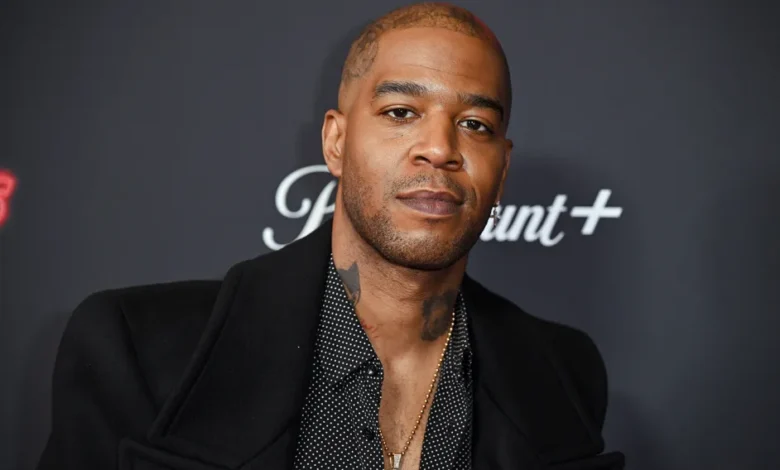
Kid Cudi has responded to the lawsuit filed by M.I.A. following her removal from his recent headlining tour, adding another chapter to a dispute that has already attracted significant attention. The conflict began when M.I.A.’s on-stage political comments became a source of controversy during the tour. Cudi ultimately decided to remove the rapper from the lineup, saying he did not want offensive remarks made during his shows. M.I.A. later filed a lawsuit alleging that the decision was unfair and caused her significant financial losses. Cudi has now pushed back against those claims, arguing that his decision was protected by his constitutional rights.
According to reports, Cudi is relying on the First Amendment as part of his response to M.I.A.’s lawsuit. His position is that he has the right to determine the political and artistic tone of his own performances and decide what kind of content he wants presented to his audience. That argument places the dispute beyond a disagreement between two artists and into a broader legal debate over creative control and freedom of expression. Cudi maintains that his decision to remove M.I.A. was connected to the nature of his shows and his responsibility for the environment he creates for his fans. The case could therefore draw attention to how artistic freedom and contractual disagreements intersect when performers share a tour.
M.I.A.’s lawsuit reportedly alleges that Cudi’s decision resulted in a major financial loss because she was expecting a $2.8 million guarantee from Live Nation. The amount represents a significant part of the dispute because being removed from a major tour can affect more than an artist’s immediate performance fees. Touring arrangements can involve guarantees, production commitments, travel plans, promotional work and other business agreements involving multiple parties. Cudi has reportedly argued that any dispute involving the payment should instead be addressed with Live Nation rather than being placed entirely on him. This creates another important aspect of the legal battle because the financial arrangements appear to involve contractual relationships beyond the two performers.
The dispute reportedly stems from comments M.I.A. made while performing during the tour. She referenced voting Republican and made additional remarks about immigration and the political climate, including comments about herself and members of her team being immigrants. The comments generated a strong reaction from some members of the audience, with reports indicating that she was booed during the performance. M.I.A. later shared a transcript of her remarks and defended her position, making it clear that she did not believe the comments justified the decision to remove her from the tour. Her response added another layer to the disagreement because she argued that Cudi was already aware of her political views before she joined the tour.
Cudi had previously explained his decision through a statement shared on social media. He said that he had instructed his management to notify M.I.A.’s team before the tour began that he did not want offensive material included in his shows. According to Cudi, he was assured that his expectations had been understood before the performances started. He later said that he received messages from fans who were upset by M.I.A.’s comments, which contributed to his decision to remove her from the remaining dates. Cudi described the situation as disappointing and maintained that he did not want someone on his tour making remarks that he believed upset his audience.
M.I.A. has disputed the reasoning behind her removal and has defended the comments that became the centre of the controversy. Her position is particularly significant because she has built a career around political commentary, social criticism and outspoken views on subjects ranging from immigration to international politics. Those themes have frequently appeared in her music and public statements, making her political identity a well-known part of her artistic persona. The disagreement with Cudi therefore raises questions about whether an artist can be expected to alter that approach when appearing as a supporting act on another performer’s tour. It also highlights the practical tension that can arise when artists with very different creative identities share the same stage.
Cudi’s response appears to focus heavily on his ability to control the environment surrounding his own performances. As the headlining artist, he had responsibility for the overall presentation of the tour and the experience offered to audiences who purchased tickets. His argument suggests that this responsibility includes determining what kind of political or controversial material he is willing to have associated with his shows. M.I.A.’s lawsuit, meanwhile, places greater emphasis on the financial consequences of the decision and the circumstances under which she was removed. The competing positions mean that the dispute could ultimately depend on the specific agreements between the parties and the legal interpretation of those arrangements.
The situation also demonstrates how quickly disagreements between performers can develop into larger legal and public disputes. What began with comments during a live performance eventually resulted in a major change to the tour lineup and a lawsuit involving millions of dollars. Both artists have strong identities and established audiences, which has ensured that the controversy has received considerable attention from hip-hop and music fans. Their different accounts of what happened have also encouraged debate about artistic freedom, political expression and the responsibilities of performers. As the legal process continues, more details about the agreements between M.I.A., Cudi and the companies involved could provide greater clarity about the dispute.
For Kid Cudi, the lawsuit comes at a time when his career continues to be closely followed by fans who have supported him throughout his evolution as an artist. His decision to respond through a First Amendment argument shows that he is treating the dispute as more than a disagreement over tour etiquette. For M.I.A., the case represents an opportunity to challenge what she views as an unfair decision and seek compensation for the financial impact she says resulted from her removal. The $2.8 million figure has made the financial element of the case particularly significant. However, the eventual outcome will depend on the legal arguments, evidence and contractual details presented during the proceedings.
The dispute between Kid Cudi and M.I.A. now extends beyond the original controversy that unfolded on stage. Cudi maintains that he had the right to protect the artistic and political tone of his performances, while M.I.A. has challenged the circumstances surrounding her removal and the financial consequences that followed. The disagreement raises complicated questions about creative freedom, contractual obligations and how much control a headlining artist can exercise over a supporting performer. As the lawsuit develops, both sides will have an opportunity to present their positions through the legal process. For now, Cudi’s First Amendment response marks a significant escalation in a controversy that began with a few minutes of political commentary during a live performance.