Keefe D Convicted of Tupac Shakur Murder After Prosecutors Turned His Own Words Against Him
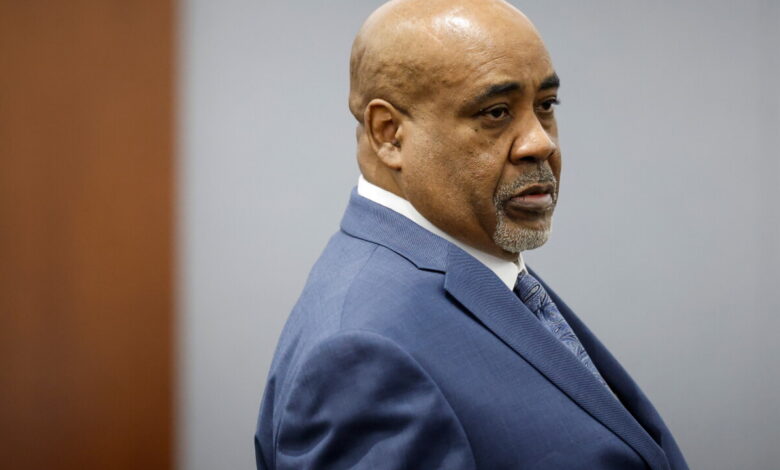
A Las Vegas jury has found Duane “Keefe D” Davis guilty of the murder of Tupac Shakur, marking the first time someone has been held criminally responsible in court for the legendary rapper’s 1996 killing. The 63-year-old Davis was convicted of first-degree murder with use of a deadly weapon after jurors deliberated for less than three hours. Prosecutors successfully argued that Davis helped orchestrate the drive-by shooting even though they did not claim he personally fired the fatal shots. The verdict followed nine days of testimony involving 24 prosecution witnesses and three defense witnesses. The case brought renewed attention to one of the most closely followed unsolved murders in music history and demonstrated how statements made by a suspect over many years can eventually become central evidence in a criminal prosecution.
The prosecution’s case focused heavily on statements Davis had made about Shakur’s killing over several decades. Investigators and prosecutors pointed to interviews, recorded conversations and Davis’ 2019 memoir, Compton Street Legend, in which he repeatedly discussed his alleged involvement in the events surrounding the shooting. Davis placed himself inside the white Cadillac involved in the incident and described having access to a firearm that was passed toward the back seat. Prosecutors acknowledged that some details in his accounts changed over time, but argued that the most important elements remained consistent. Their position was that Davis’ own words established his involvement in a retaliatory plan that ultimately resulted in Shakur being shot in Las Vegas on September 7, 1996.
The legal argument was particularly important because Davis did not have to be the person who physically pulled the trigger for prosecutors to secure a murder conviction under their theory of the case. Chief Deputy District Attorney Binu Palal emphasized that the central issue for jurors was whether Davis participated in or helped direct the killing. Prosecutors alleged that Davis played a leadership role in the events that led to the shooting and that his actions made him criminally responsible for Shakur’s death. The state therefore built its case around Davis’ alleged role in organizing the retaliation rather than attempting to prove that he personally fired the weapon. This distinction allowed prosecutors to focus on his conduct before and during the shooting instead of making the identity of the shooter the only question the jury had to answer.
The events leading to the shooting began earlier that evening at the MGM Grand in Las Vegas. Shakur and members of his entourage became involved in a physical confrontation with Orlando Anderson, Davis’ nephew, following tensions between the groups. Prosecutors presented the confrontation as the motive for what happened later that night. According to the state’s case, Davis and others sought revenge after Anderson was attacked and then began looking for Shakur and Death Row Records co-founder Suge Knight. The search eventually led to the white Cadillac pulling alongside the BMW carrying Shakur and Knight, after which gunfire erupted and Shakur was struck.
Shakur survived the immediate shooting but remained critically injured before dying six days later at the age of 25. His death shocked the music industry and became one of the defining tragedies in the history of Hip Hop. The investigation remained unresolved for decades, allowing speculation about the identity of the shooter and the circumstances surrounding the killing to continue across generations of fans. Davis’ eventual arrest represented a major development because authorities had publicly connected him to the events through statements he had made over the years. His willingness to discuss the shooting became increasingly significant as investigators revisited evidence from the case.
The defense challenged the prosecution’s reliance on those statements and argued that Davis was not a reliable narrator. Defense attorney Michael Sanft highlighted the absence of certain forms of independent evidence that could directly place Davis at the crime scene. The defense pointed to the lack of surveillance footage showing Davis participating in the shooting, the absence of phone records establishing his location at the relevant time and the limited physical evidence remaining from an investigation that had remained unresolved for almost 30 years. Sanft also argued that Davis had financial and personal incentives to exaggerate his connection to Shakur’s murder because of the attention and money associated with telling his story. A former Las Vegas homicide detective also testified that investigators had been unable to independently verify key portions of Davis’ incriminating account.
Despite those arguments, jurors accepted the prosecution’s interpretation of Davis’ statements. The state presented his repeated public discussions of the shooting as admissions rather than simply exaggerated stories intended to build his reputation. Prosecutors used material from his memoir alongside interviews and recorded conversations to establish a pattern in which Davis consistently acknowledged being present during the events. The state argued that differences between versions of his story did not erase the central facts he repeatedly disclosed. Jurors ultimately determined that the evidence established Davis’ criminal responsibility beyond a reasonable doubt.
The case also illustrates how Davis’ decision to speak publicly about Shakur’s death became a major factor in the prosecution. For years, he discussed the shooting in interviews and other public appearances, making claims that drew attention from fans, journalists and law enforcement. His 2019 memoir provided another detailed account of his alleged role and became an important part of the state’s presentation. Instead of allowing the case to remain dependent on decades-old physical evidence, prosecutors were able to point to statements attributed directly to Davis. Those statements gave the prosecution a way to reconstruct his alleged involvement despite the considerable passage of time.
The conviction brings a significant development to a case that has remained part of Hip Hop culture for nearly 30 years. Tupac Shakur became one of the most influential artists of his generation before his death, with music that addressed poverty, violence, social inequality, relationships and life in marginalized communities. His murder has generated countless theories, documentaries, books and songs, while questions about who was responsible continued long after his death. The prosecution of Davis finally moved the case from decades of speculation into a courtroom where evidence was tested before a jury. The guilty verdict now establishes a formal criminal finding against Davis for his role in Shakur’s killing.
Following the verdict, prosecutors said they would dismiss the gang enhancement connected to the charge because of issues involving witness logistics. That decision does not overturn or reduce the murder conviction itself. Davis remains in custody without bond while awaiting sentencing and faces the possibility of life imprisonment. He told the judge that he intends to appeal the conviction, meaning the legal process may continue beyond the jury’s decision. The sentencing and any subsequent appeal will determine the next stage of a case that has already lasted far longer than the lives of many of the people connected to it.
The conviction of Keefe D represents a major turning point in the long-running investigation into Tupac Shakur’s murder. Prosecutors persuaded jurors that Davis’ own accounts, combined with testimony and other evidence presented during the trial, established his responsibility for the killing even without proving that he personally fired the fatal shots. The defense raised serious questions about the reliability of his statements and the lack of independent physical evidence, but the jury ultimately found the prosecution’s case convincing. After decades of uncertainty, the verdict provides the first criminal conviction directly connected to Shakur’s death. Davis’ planned appeal means the case is not necessarily at its final legal stage, but the jury’s decision has already secured a historic place in the story of Tupac Shakur and one of the most enduring murder investigations in modern music history.