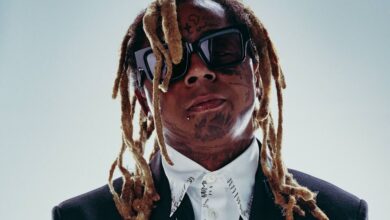
Jay Z Wants The Next Generation Of Hip Hop To Keep Experimenting
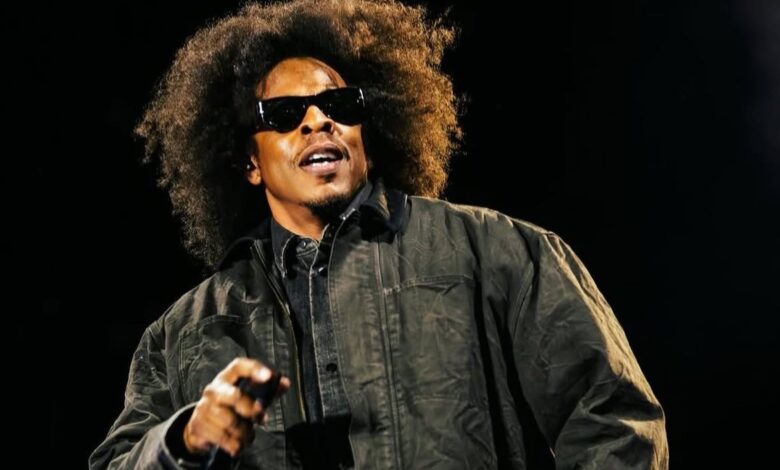
Hip Hop has always evolved by challenging expectations, and Jay Z wants the next generation of artists to continue that tradition. The legendary rapper believes the culture should remain open to unfamiliar sounds instead of allowing artists to become too comfortable following established trends. Concerns about Rap becoming repetitive have existed for years, with fans often pointing to streaming algorithms, record labels and popular production styles as reasons for the similarities they hear across new releases. Jay Z’s message is that artists should resist that pressure and focus on developing sounds that belong to them. For a genre built on creativity and reinvention, his comments highlight the importance of giving artists enough freedom to take risks.
Jay Z shared his thoughts while attending the red carpet premiere of his HBO series JAŸ Z in 8, where he was asked what he hopes to hear from Hip Hop in the future. Rather than identifying one particular sound or musical movement, he pointed towards experimentation as an important part of the culture’s continued development. He reflected on the early days of Hip Hop, when different artists and regions created distinct approaches to the music. New York developed its own sound and identity, while Los Angeles eventually established a different musical character. Southern cities also developed influential movements that initially faced resistance before becoming important parts of Hip Hop history.
That history helps explain why Jay Z believes artists should not feel pressured to sound like everyone else. Hip Hop grew because musicians brought different influences, accents, production techniques and perspectives into the culture. What sounded unusual at one point could later become a defining sound for an entire generation. Artists from different parts of the United States helped expand the boundaries of what Rap could represent. The growth of Southern Hip Hop provides one of the clearest examples of how regional experimentation can eventually influence the entire genre. Jay’s comments suggest that this process should continue rather than allowing current trends to determine what every new artist sounds like.
The message is particularly relevant at a time when listeners frequently debate whether modern Rap has become too predictable. Streaming platforms have made it easier for successful sounds to spread quickly, while artists can see which songs and production styles are performing well. That information can be useful, but it can also encourage musicians to repeat formulas that have already proved successful. Record labels and artists both have financial reasons to build around sounds that already attract listeners. The result can be a musical environment where originality competes directly with the pressure to deliver something familiar enough to succeed.
Jay Z’s own career offers plenty of examples of experimentation and reinvention. Across decades in Hip Hop, he has worked with different producers, explored different production styles and adjusted his approach as the culture changed around him. Albums such as Reasonable Doubt and The Blueprint helped establish important chapters in his career, while later projects showed that he was willing to move beyond the sound associated with his earliest work. His longevity has required him to remain connected to a changing musical landscape without simply reproducing the same formula. That experience gives added context to his argument that younger artists should develop their own identities.
His comments also arrive during a reflective period surrounding his career. JAŸ Z in 8, directed by Rick Rubin, looks back at Jay Z’s music and creative process across three decades. The project gives audiences an opportunity to revisit different stages of his career and consider how his approach to music developed over time. His anniversary celebrations for Reasonable Doubt and The Blueprint have also placed renewed attention on some of the projects that helped define his legacy. Against that backdrop, his call for experimentation feels connected to his own experience of watching Hip Hop repeatedly reinvent itself.
There is also an important difference between experimentation and simply being different for the sake of being different. Trying a new sound does not automatically produce a successful record, and not every unconventional idea will connect with listeners. Some experiments may fail while others could eventually influence an entire generation of musicians. Hip Hop has always allowed that process to happen because artists can test ideas without knowing whether audiences will accept them immediately. Jay Z appears to be encouraging artists to accept that uncertainty instead of avoiding creative risks because they might not fit current expectations.
The debate around artificial intelligence has added another complicated dimension to conversations about experimentation in modern music. Fenix Flexin recently attracted attention after his song Rubberz generated discussion about the use of AI technology in its creation. He acknowledged using AI technology while maintaining that the technology was not responsible for recording his vocals. The situation demonstrated how quickly new technology can challenge existing ideas about authenticity, creativity and the role of the artist. Jay Z did not specifically discuss AI in his comments, so his remarks should not be treated as an endorsement of any particular technology or approach.
Instead, the broader issue is whether Hip Hop can continue making room for ideas that initially make listeners uncomfortable. The culture has repeatedly experienced moments when unfamiliar sounds were criticised before eventually becoming accepted. Different regional styles once faced resistance from audiences and industry figures who did not immediately understand their appeal. Production techniques that sounded unusual in one era later became standard elements of Rap music. This does not mean every new experiment will become influential, but it shows why artists need space to test ideas before audiences decide whether those ideas belong in the culture.
There is an irony to the demand for constant innovation because audiences can also react negatively when artists move too far away from the sounds that made them successful. Fans often want musicians to evolve while still expecting them to preserve the qualities they already love. Artists therefore have to navigate between meeting expectations and maintaining creative freedom. Jay Z’s argument appears to favour giving artists more room to explore rather than asking them to reproduce whatever sound currently dominates streaming platforms. For younger rappers, that could mean developing a distinct voice even when following the dominant trend would offer a more predictable path.
Jay Z’s comments ultimately place responsibility on the next generation to keep Hip Hop moving forward. He is not suggesting that there is one correct sound that artists should pursue, but that artists should continue searching for their own approaches to the music. That principle reflects the history of a culture that has repeatedly changed through regional movements, new production techniques and artists willing to challenge established expectations. Some experiments will succeed and others will not, but the process itself remains central to musical development. As Hip Hop continues to change, Jay Z’s message is that its future should leave enough space for artists to sound different, take creative risks and create something listeners have not heard before.