
Denzel Curry Reveals the Best Advice Andre 3000 Gave Him About Crafting Albums and Building an Image
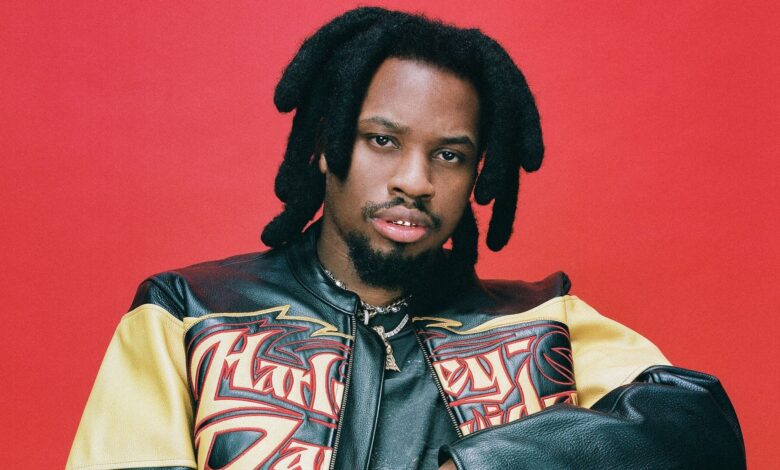
Denzel Curry has revealed that some of the most valuable advice he received from Andre 3000 was also among the simplest. The Florida rapper reflected on how the legendary OutKast artist influenced his approach to creating albums, developing his image and keeping his work fresh. According to Curry, Andre 3000 encouraged him not to become bored with his own creativity and to recognize when it was time to change direction. “I think Andre 3000 gave me the best advice when it came down to me crafting albums and even image,” Curry explained. He recalled Andre’s straightforward message: “Don’t get bored, just don’t get bored with it,” adding that when an artist feels boredom approaching, they should “pivot and do something else.”
That advice carries particular weight because both Denzel Curry and Andre 3000 have built careers around artistic evolution. Andre 3000 has long been associated with experimentation, unconventional fashion and a willingness to move beyond the expectations placed on him as a hip-hop artist. Curry has also developed a reputation for refusing to remain locked into one sound or presentation for too long. His music has moved between aggressive rap, melodic performances, psychedelic influences, jazz-inspired production and more experimental territory. The connection between the two artists therefore makes Curry’s comments especially revealing, because the advice reflects a creative philosophy that has shaped Andre 3000’s own career.
For Curry, the idea of avoiding boredom appears to extend beyond simply changing a beat or experimenting with a new flow. It speaks to the importance of keeping the creative process engaging for the artist as well as the audience. When an artist continues repeating an approach after losing enthusiasm for it, the work can begin to feel predictable or forced. Curry’s interpretation of Andre’s advice suggests that recognizing that feeling can be useful rather than treating it as a problem. Instead of forcing himself to complete something that no longer excites him, he can pivot toward another idea and potentially discover a stronger creative direction.
The advice also relates to how artists develop their public image. In modern music, an artist’s identity extends beyond the songs they release, with fashion, visuals, performances, interviews and album concepts all contributing to how audiences understand them. Andre 3000 has demonstrated this throughout his career by repeatedly challenging conventional expectations about what a successful rapper should look and sound like. Curry has similarly embraced different visual identities and musical approaches across his projects. His willingness to experiment allows each era of his career to have its own character instead of making every release feel like a continuation of the same formula.
Album-making can be particularly vulnerable to creative fatigue because the process often takes months or even years. Artists may begin a project with a clear vision but discover along the way that certain ideas no longer excite them. If they feel obligated to remain within the original concept, the project can lose some of its energy. Andre 3000’s advice, as Curry remembers it, offers another approach by encouraging artists to recognize when they need to move in a different direction. A pivot does not necessarily mean abandoning an entire project, because it can simply mean changing the production, exploring a new theme, experimenting with another visual style or approaching a song differently.
Curry’s comments also highlight the difference between consistency and repetition. An artist can maintain a recognizable identity while still introducing new elements into their work. Fans often connect with artists because of certain qualities that remain present even as the music evolves, but that does not mean every album needs to sound identical. Curry has repeatedly demonstrated this balance throughout his career, maintaining his intensity and distinctive personality while allowing his production, songwriting and presentation to develop. Andre 3000’s advice gives language to that process by emphasizing curiosity and enjoyment rather than strict adherence to a predetermined formula.
There is also an important lesson in the simplicity of the advice itself. Artists often search for complicated formulas to maintain relevance, develop a unique sound or create successful albums. Curry’s recollection suggests that one useful principle can be much more straightforward: do not allow the creative process to become boring. When enthusiasm disappears, that can be a signal to experiment rather than a reason to continue pushing through the same idea. The approach encourages artists to remain honest about their creative instincts and to trust that changing direction can lead to something better.
Andre 3000’s influence on Curry is significant because his legacy represents artistic freedom rather than simply commercial success. As one half of OutKast, Andre helped expand the possibilities of Southern hip-hop while developing a reputation for unconventional songwriting, production choices and fashion. His later work has continued to demonstrate his interest in exploring music on his own terms, including his focus on instruments and flute playing. Curry appears to have taken inspiration from that willingness to follow genuine creative interests instead of allowing expectations to dictate every artistic decision.
For Denzel Curry, that philosophy fits naturally with the way he has approached his own career. He has built a strong following while regularly challenging himself to explore different sounds and concepts. His willingness to experiment has helped him remain relevant without relying exclusively on the style that initially established his reputation. The ability to pivot when an idea starts feeling stale can help an artist protect that sense of discovery. It can also make each album feel like a meaningful stage in a larger creative journey.
Ultimately, Denzel Curry’s recollection of Andre 3000’s advice offers a useful insight into the creative process behind albums and artistic identity. “Don’t get bored” may sound simple, but the principle encourages artists to pay attention to their own enthusiasm and respond when it begins to disappear. Curry’s decision to share the advice shows how deeply a short conversation can influence an artist’s approach to music, visuals and personal expression. Rather than treating change as something to fear, the philosophy encourages experimentation and movement when the existing path stops feeling inspiring. For Curry and other artists committed to long-term creative growth, knowing when to pivot may be one of the most valuable skills they can develop.