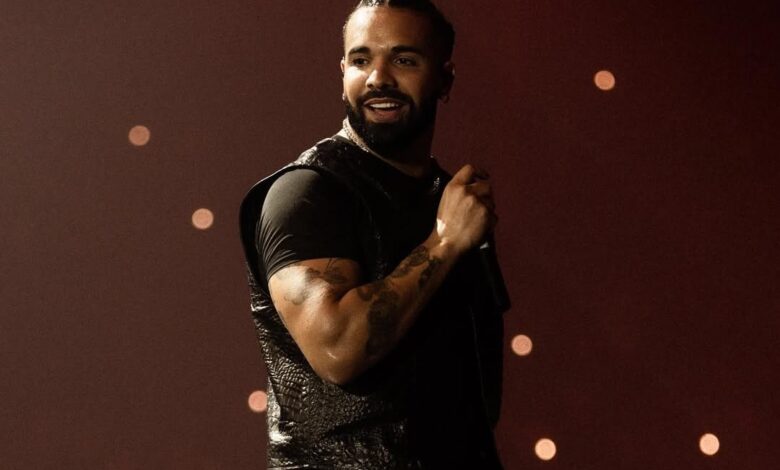
Drake’s ICEMAN continues to post strong commercial numbers months after its release, reinforcing his position as one of hip-hop’s most consistent chart performers. Since dropping on May 15, the album has maintained steady sales momentum and strong streaming performance across major platforms. The project entered the Billboard 200 at number one and held that position for four consecutive weeks before being displaced by Olivia Rodrigo. Even after losing the top spot, ICEMAN has remained one of the most consumed rap albums in the United States. Fans continue to stream and purchase the project at a level that keeps it firmly in the upper tier of current releases.
The release of ICEMAN carried significant pressure for Drake, both commercially and culturally. In the lead-up to the album, there was public discussion about his standing in hip-hop following a widely publicized rivalry with Kendrick Lamar in 2024. That moment shifted industry conversations and placed additional scrutiny on Drake’s next move. At the same time, his legal dispute involving UMG added further attention to his public image and career trajectory. Despite those challenges, ICEMAN launched with strong numbers and quickly shifted the narrative back toward his commercial dominance.
Performance data from the album’s rollout shows that Drake continues to excel in mainstream consumption metrics. Alongside its Billboard success, ICEMAN produced the global number one track “Janice STFU,” which added further momentum to the project’s streaming performance. The album’s early success helped it secure platinum eligibility in a relatively short period of time. Industry tracking now shows ICEMAN as the best-selling rap album in the United States for 2026 so far. According to reports shared by Kurrco, the project recently surpassed Don Toliver’s Octane to claim the top position in yearly rap sales rankings.
The commercial strength of ICEMAN reflects Drake’s continued ability to turn album releases into major cultural events. Each of his projects tends to generate immediate attention across streaming platforms, radio, and social media. ICEMAN followed that same pattern, with fans and critics closely monitoring its performance from the first day of release. The album’s visibility also overshadowed several competing rap releases, many of which struggled to maintain similar long-term engagement. In a crowded streaming environment, Drake’s ability to sustain attention over several months remains a defining feature of his career.
Industry observers have also noted that ICEMAN benefited from timing, rollout strategy, and audience anticipation. Drake’s releases often arrive with built-in demand due to his global fanbase and consistent chart history. That demand translated into strong first-week numbers and sustained replay value across platforms. While some other projects like HABIBTI and MAID OF HONOUR have not maintained the same level of commercial traction, ICEMAN continued to grow its audience after release. This difference highlights how audience reception and cultural momentum can vary widely between projects, even from the same artist.
Looking ahead, questions remain about Drake’s next artistic direction following the success of ICEMAN. His career pattern has often alternated between rapid release cycles and periods of absence, which keeps fans speculating about his next move. Some expect him to continue releasing music at a steady pace to maintain dominance in streaming charts. Others believe he may step back temporarily before returning with another high-impact project. For now, ICEMAN stands as one of the strongest commercial performers of 2026, reinforcing Drake’s continued influence in mainstream hip-hop and global music markets.