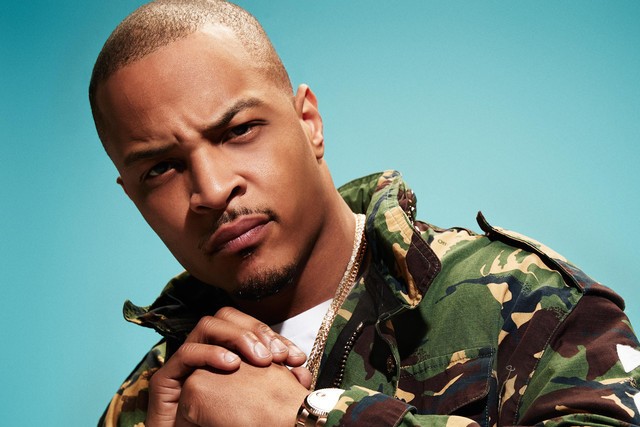
The long-running tension between T.I. and 50 Cent has reached a new peak as the Atlanta rapper releases a second diss track aimed directly at his rival. The new song, titled “The Right One,” arrives just a day after his earlier jab “War,” showing clear intent to dominate the narrative. This latest release pushes the feud further into personal territory, with sharp lyrical attacks that go beyond music and into reputation, relationships and past controversies. The conflict has drawn attention across the hip hop community, as both artists carry significant influence and history within the genre. With no response yet from 50 Cent, the momentum currently sits with T.I., who appears determined to control the pace and tone of the exchange.
On “The Right One,” T.I. delivers a relentless performance over a hard trap beat, using direct insults to question 50 Cent’s talent, image and career direction. He criticizes his rival’s shift away from music into television and business, suggesting that the move reflects a lack of staying power in rap. The lyrics also target personal aspects of 50 Cent’s life, including his relationship with Daphne Joy and her past involvement with Diddy. These references add emotional weight to the diss, making it more than just competitive wordplay. T.I. uses aggressive language and vivid imagery to reinforce his stance, aiming to undermine both credibility and public perception.
The track does not hold back when addressing sensitive topics, as T.I. even references 50 Cent’s late mother in a controversial verse. This approach signals a willingness to cross lines that many artists avoid, which can intensify both attention and backlash. He also revisits violent moments associated with 50 Cent’s past, hinting at documented incidents and using them as ammunition. By combining personal attacks with career critiques, T.I. builds a layered diss that targets multiple aspects of his opponent’s identity. The strategy reflects a classic battle rap approach, where dominance is established through both lyrical skill and psychological pressure.
T.I. further strengthens his argument by bringing up 50 Cent’s previous conflicts with other major artists, including Rick Ross, Fat Joe, Jadakiss and Kanye West. He frames these past battles as losses, suggesting a pattern that weakens 50 Cent’s reputation as a dominant figure. The mention of DMX adds another layer, implying that industry narratives have shaped 50 Cent’s image more than his own actions. These references serve to remind listeners of hip hop history while positioning T.I. as someone who has studied and understood it. The goal is clear, to shift perception and present 50 Cent as vulnerable rather than untouchable.
The roots of this renewed feud trace back to discussions around a potential Verzuz battle, linked to the popular platform Verzuz. T.I. initially showed interest in facing 50 Cent in this format, but the idea quickly turned into a heated exchange of insults. 50 Cent dismissed the challenge and mocked T.I., prompting a strong reaction that included accusations and threats of exposing past information. The situation escalated further when T.I. publicly stated that he had lost respect for 50 Cent and no longer wished to share a stage with him. This shift shows how quickly competitive discussions can evolve into personal conflict in hip hop culture.
The release of “War” and “The Right One” signals a calculated move by T.I. to apply sustained pressure while his opponent remains silent. Consistency matters in rap feuds, and releasing back to back tracks keeps attention focused and narratives controlled. Fans and industry figures now wait to see if 50 Cent will respond with music or continue using social media as his primary weapon. The outcome of this clash could shape how both artists are viewed in the current era, especially among younger audiences who follow digital engagement closely. If 50 Cent responds with equal intensity, the feud could become one of the most talked about moments in modern hip hop.
T.I.’s aggressive approach shows a clear intention to reclaim dominance and remind audiences of his lyrical ability. By combining personal attacks, historical references and strategic timing, he has created a strong opening phase in this renewed rivalry. The silence from 50 Cent adds tension, as it leaves room for speculation and anticipation. This feud highlights how legacy artists continue to influence the culture, even years after their peak commercial success. Whether it leads to a direct response or fades into another unresolved rivalry, the current exchange has already captured attention and reinforced the competitive nature of hip hop.