Outkast Trademark Lawsuit Targets Ovrkast Over Alleged Name Change Dispute
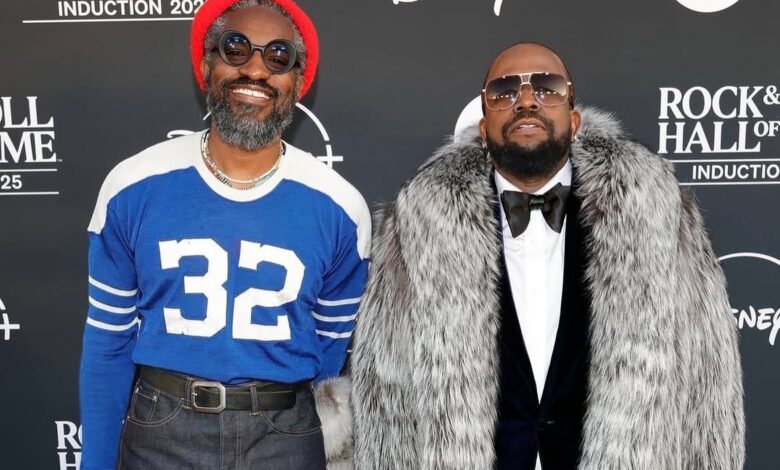
A federal lawsuit has placed Oakland rapper and producer Ovrkast at the center of a trademark dispute involving the legendary hip-hop duo Outkast. The lawsuit claims that Ovrkast agreed to change his stage name after Outkast raised concerns about possible confusion between the two names. According to the complaint, the rapper was supposed to stop using OVRKAST and transition to the name OVERKXST by July 15, 2026. Outkast’s trademark-holding company now alleges that he failed to complete that transition and continued releasing music under the disputed name. The case has turned what appeared to be a private agreement into a federal legal battle over trademarks, artist branding and potential consumer confusion.
High Schoolers LLC filed the complaint against Ovrkast, whose legal name is Silas Wilson, on Sept. 16 in the U.S. District Court for the Northern District of Georgia. The federal docket confirms that the case concerns trademarks and identifies High Schoolers LLC as the plaintiff. The company controls trademarks associated with Outkast, the influential Atlanta rap group formed by André 3000 and Big Boi. According to reporting from AllHipHop, Outkast’s attorneys first sent Wilson a cease-and-desist letter in June 2025. The two sides then reportedly reached an agreement under which Wilson would retire the OVRKAST name and begin operating under OVERKXST instead.
The lawsuit centers on whether Wilson followed through with that agreement. The complaint claims that the deadline for completing the name transition was July 15, 2026. Outkast alleges that Wilson missed that deadline and continued to release music under the Ovrkast name. One example cited in reports about the lawsuit is Wilson’s Sept. 10 single “Knock,” which was still credited to Ovrkast. From Outkast’s perspective, continued use of the name allegedly violated the terms of the agreement and created an ongoing trademark issue. The dispute now gives a federal court the opportunity to examine the parties’ agreement and the allegations surrounding Wilson’s continued use of the name.
The similarity between Ovrkast and Outkast appears to be central to the trademark claims. The lawsuit points to comments Wilson made during a 2025 Rolling Stone interview in which he acknowledged that listeners sometimes confused his name with Outkast. Wilson reportedly explained that some people would read “Ovrkast” as “Outkast” and assume they had heard the name of the established Atlanta group. Outkast’s legal team is citing those comments as evidence that confusion between the names can occur. In trademark disputes, evidence concerning how consumers might understand or encounter two names can become important when a plaintiff argues that similar branding could create confusion.
The history of Wilson’s stage name adds another layer to the dispute. Ovrkast has built a profile through his work as an Oakland rapper and producer, with his music attracting attention within the alternative and underground hip-hop scenes. Changing an established stage name can affect music releases, streaming profiles, social media accounts, merchandise and other parts of an artist’s identity. The proposed transition to OVERKXST therefore involves more than simply changing a spelling on a few platforms. It could require an artist to update branding across a range of commercial and creative channels. The lawsuit suggests that the parties had already discussed such a transition but disagree about whether Wilson completed what he had agreed to do.
Wilson has also publicly reacted to the lawsuit. After news of the case circulated, he reportedly responded with “Ouch” on X before addressing the situation on Instagram. He wrote that he “thought it was love” while tagging André 3000 and Big Boi. His comments indicate that he viewed the relationship between the artists differently from the way the dispute has now unfolded in court. They also show that the legal conflict has become a public matter rather than remaining solely between the parties and their attorneys. Wilson’s public reaction, however, does not resolve the legal questions raised by the complaint.
Outkast is asking the court for several forms of relief. The company wants Wilson stopped from using OVRKAST or another name that it considers confusingly similar to Outkast. The complaint also seeks damages related to the alleged trademark infringement and asks for a jury trial. The case is pending before U.S. District Judge Eleanor L. Ross in Georgia. Because the lawsuit remains pending, the allegations in the complaint represent Outkast’s claims rather than findings that the court has already made.
The case also follows another recent trademark dispute involving Outkast. In 2024, the duo sued the electronic music act ATLiens over the group’s name, which is also the title of Outkast’s 1996 album. That dispute was settled in February 2026. The Ovrkast lawsuit is separate from that case, but both disputes show how established names, album titles and artistic branding can create legal questions when other performers adopt similar terminology. For musicians, trademarks can play an important role in protecting names that audiences associate with particular artists and commercial activities. At the same time, each dispute depends on its own facts, agreements and applicable trademark law.
The Ovrkast case now moves forward as the parties address the allegations in federal court. Key issues could include the terms of the reported name-change agreement, whether Wilson breached those terms, whether his continued use of OVRKAST infringes Outkast’s trademark rights and what remedies may be available if the court finds in favor of the plaintiff. The court may also have to consider evidence about actual or potential confusion between the names. Until those issues receive a judicial determination, claims made by either side should be treated as allegations rather than established facts. The outcome could determine whether Wilson continues using Ovrkast, completes a transition to OVERKXST or faces additional restrictions and financial consequences related to the disputed name.